A general-purpose relay is a type of electromagnetic switch that plays a pivotal role in electrical and electronic systems. Its primary function is to control a circuit by opening or closing contacts in response to an electrical signal. Known for its reliability and versatility, the general-purpose relay is used in a broad range of applications—from household appliances to industrial automation. This article aims to explore the features, working principles, and applications of general-purpose relays, shedding light on why they are an essential component in modern electrical control systems.
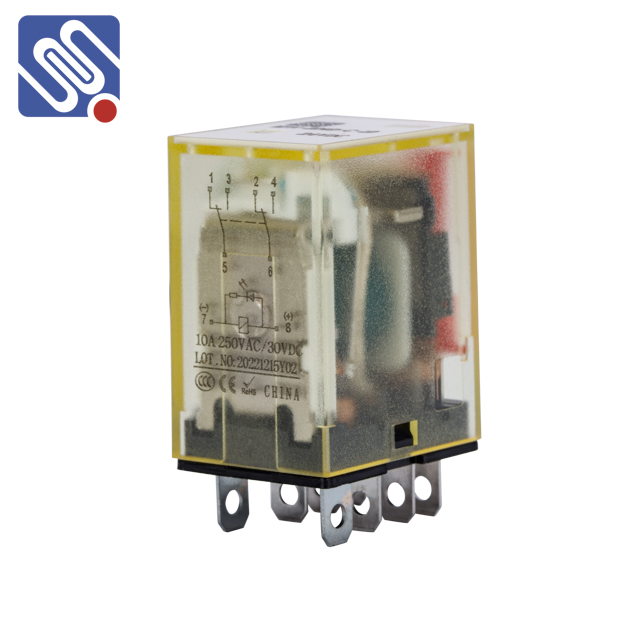
What is a General-purpose Relay? A general-purpose relay is an electromechanical device consisting of a coil, an iron core, and a set of contacts. When an electrical current flows through the coil, it generates a magnetic field that moves the iron core. This movement either opens or closes the relay’s contacts, thereby controlling the flow of electricity in the connected circuit. The contacts are typically made of materials like silver or copper to ensure reliable operation. General-purpose relays are known for their ability to handle various voltages and currents, making them adaptable to numerous applications. These relays are often designed for low to medium current switching and are capable of handling both AC and DC circuits, providing a high level of flexibility in diverse environments.