In any industrial or manufacturing setting, the safety of workers is paramount. One of the most critical elements of workplace safety involves the proper handling of hazardous energy sources during maintenance and repair tasks. This is where equipment lockout tags come into play, as they are an essential part of lockout/tagout (LOTO) procedures that ensure the protection of workers from unexpected machine start-ups, electrical shock, and other energy-related hazards. Understanding the role of lockout tags in safety protocols is vital for every organization that wants to reduce the risk of workplace accidents.
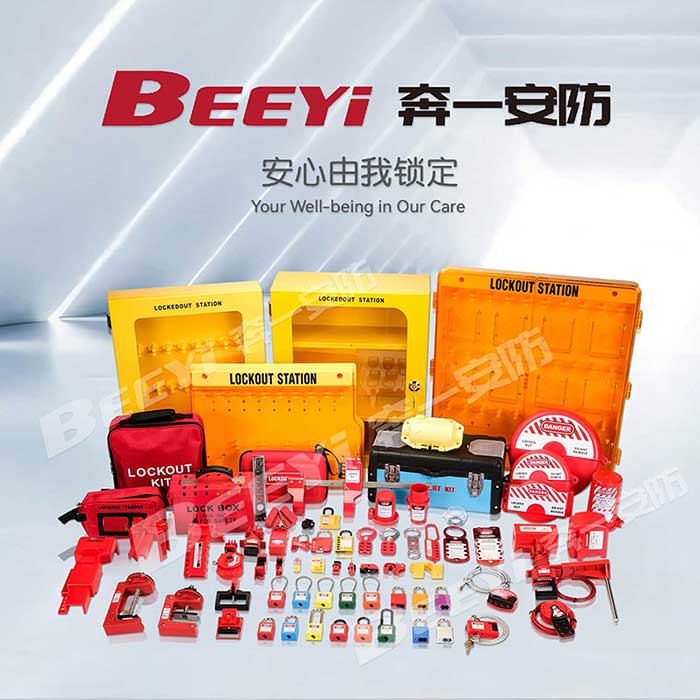
What Are Equipment Lockout Tags? Equipment lockout tags are safety devices attached to energy-isolating equipment to signify that it has been shut down and is not to be operated until the maintenance or repair work is completed. These tags typically feature bold, clear warnings and critical information to ensure that anyone working on or near the equipment understands that it is locked out for safety reasons. They serve as a visual and physical indicator that the equipment should not be re-energized or restarted until it is safe to do so. The Lockout/Tagout (LOTO) Procedure Lockout/tagout is a set of safety practices aimed at preventing the release of hazardous energy during maintenance work. The procedure involves two main components: