继电器电流有几个方面需要注意:
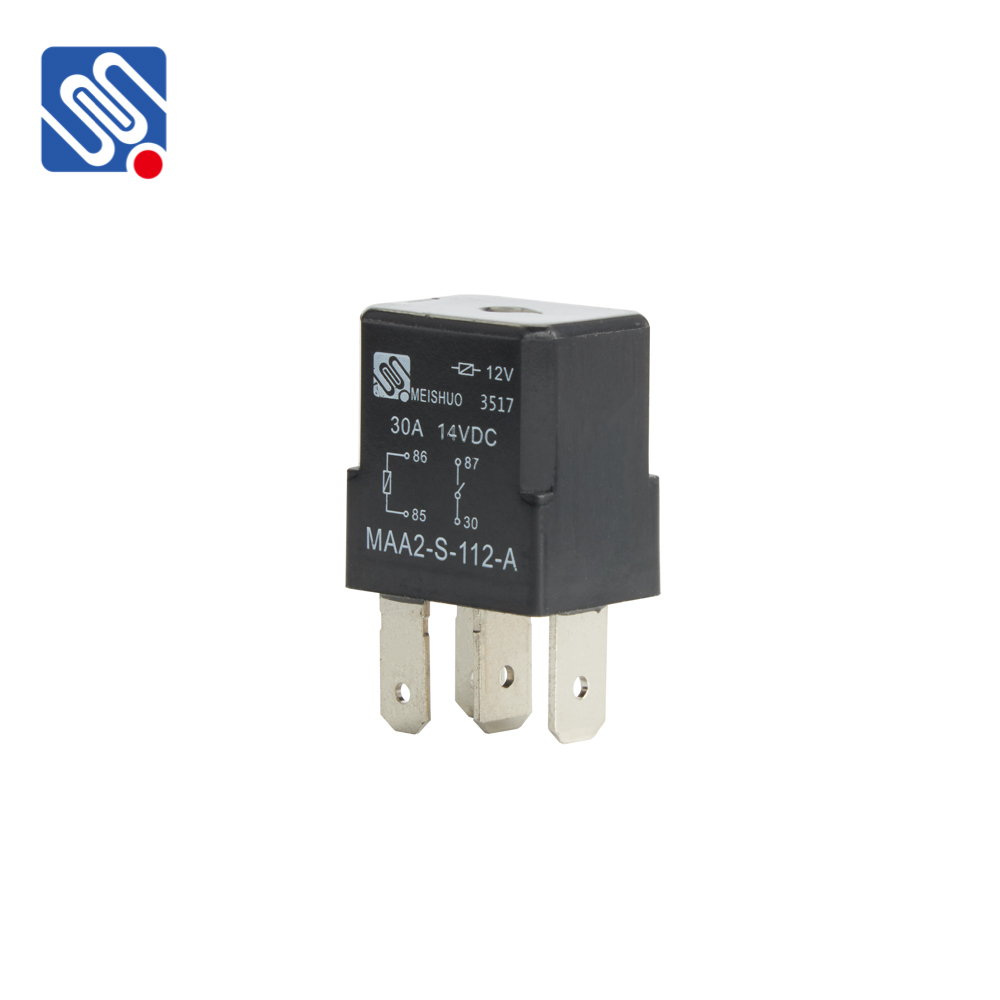
触点电流(Contact Current):继电器的触点允许通过的电流,通常有一个额定值,表示继电器能够安全承载的最大电流。这些触点电流用于控制电路中的负载。 线圈电流(Coil Current):继电器线圈通电时,所需的电流量。这种电流通常较小,但足以使继电器的机械触点工作。 额定电流:继电器的设计会规定其能够承受的最大负载电流,这通常会标明为继电器的额定电流,超过这个值可能会导致继电器损坏或过热。 启动电流(Inrush Current):当负载首次接入电路时,可能会有一个较大的启动电流,这通常是短暂的,但继电器需要能够承受这种高电流以保证不被损坏。 保持电流(Hold Current):在继电器的触点闭合后,所需的电流维持继电器工作状态的电流。 继电器的选择需要根据电路中的电流特性来决定合适的型号和额定值,以确保其在实际使用中的可靠性和安全性。 帮我写一篇关于Relay current的800字英文原创文章,并在文章前面配上一个标题,并在标题里面包含Relay current Understanding Relay Current: Key Considerations and Applications Relay current plays a crucial role in the operation of electrical circuits. A relay, an electromechanical device, allows a low-power signal to control the switching of a high-power load. By using a small amount of control current to manage larger currents, relays act as intermediaries in many electronic and electrical systems. In this article, we will explore what relay current is, its different types, and how it impacts the overall performance of relay systems.