In the pursuit of sustainable and green energy solutions, hydrogen energy has emerged as one of the most promising alternatives to fossil fuels. As hydrogen production, storage, and transportation technologies continue to evolve, a crucial component in these systems is the hydrogen energy electric two-seat regulating valve. This valve plays an essential role in the control and regulation of hydrogen flow within various applications, including fuel cells, hydrogen-powered vehicles, and industrial hydrogen systems. Understanding the importance and functionality of these valves is vital for advancing hydrogen-based technologies.
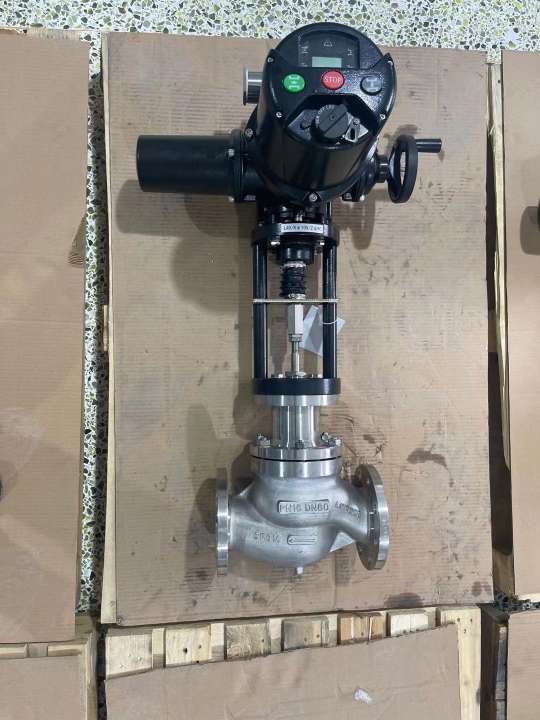
What is a Hydrogen Energy Electric Two-Seat Regulating Valve? A hydrogen energy electric two-seat regulating valve is a specialized type of valve designed to control the flow of hydrogen gas within a system. The “two-seat” refers to the design of the valve, which features two sealing surfaces or seats. These seats help to provide better sealing, ensuring that hydrogen gas is efficiently regulated without leaks, which is critical for safety and performance. The “electric” aspect refers to the valve’s control mechanism. Unlike traditional manual valves, electric two-seat regulating valves are powered by an electric actuator that allows for precise and remote control. This makes them particularly useful in applications where consistent and automated regulation of hydrogen flow is required.