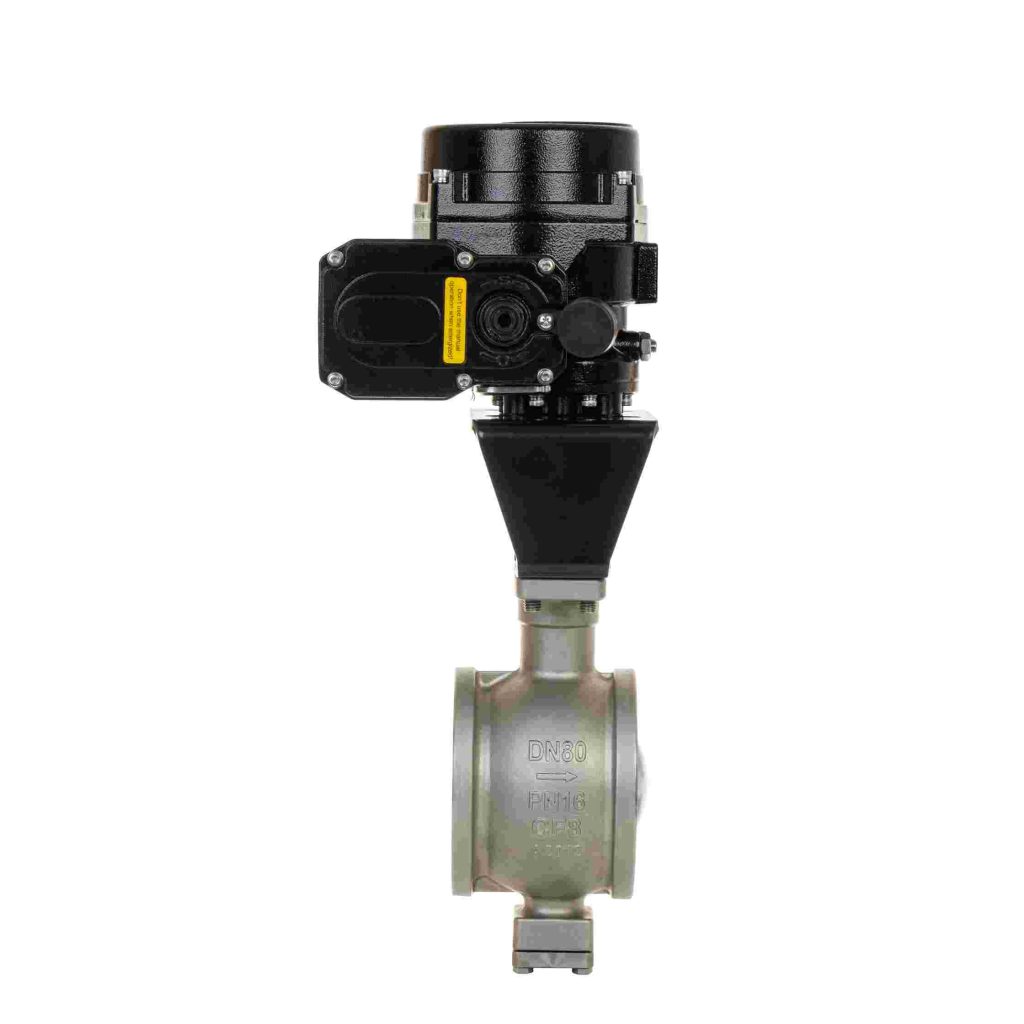
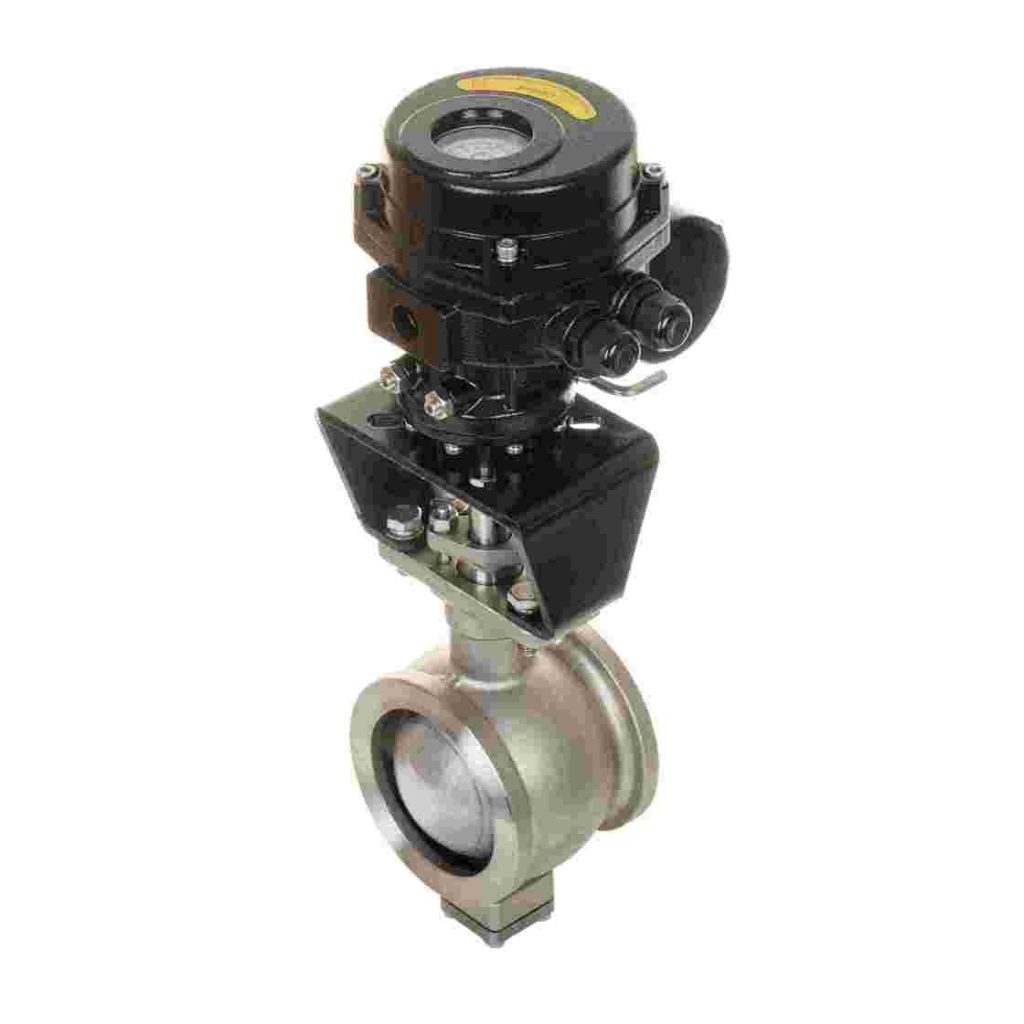
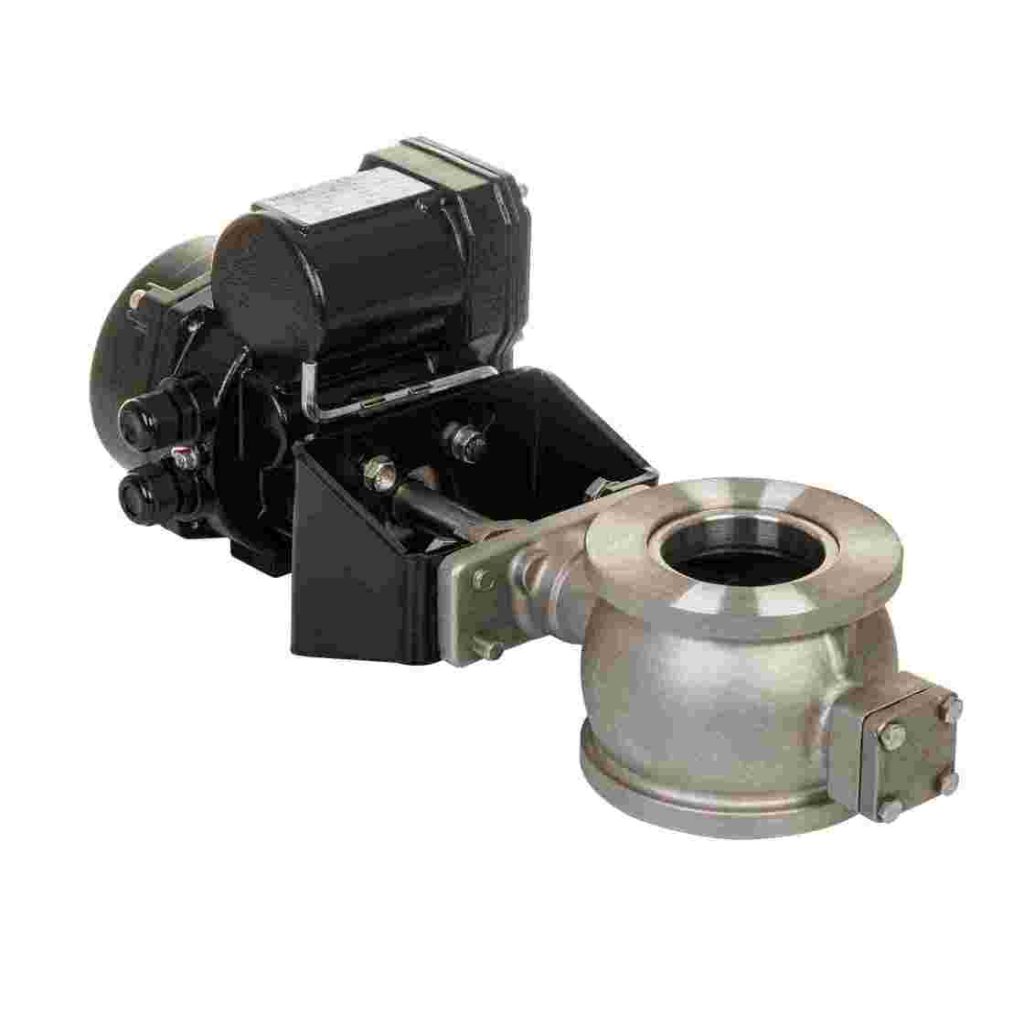
As the world increasingly turns its focus towards sustainable energy solutions, hydrogen energy has emerged as a leading candidate for clean fuel alternatives. With its potential to significantly reduce carbon emissions, hydrogen is being integrated into various sectors, including transportation, power generation, and industrial applications. A crucial component in the effective utilization of hydrogen energy is the electric V-ball valve. This article explores the significance of hydrogen energy electric V-ball valves, their working principles, applications, and advantages, and how they are shaping the future of fluid control in hydrogen systems.
Understanding Hydrogen Energy and Its Applications
Hydrogen energy is derived from hydrogen, the most abundant element in the universe. It can be used as a fuel source through various processes, such as electrolysis, where water is split into hydrogen and oxygen using electricity. The hydrogen produced can be stored and utilized in fuel cells to generate electricity, or it can be combusted to produce heat. As industries seek to transition to cleaner energy sources, hydrogen is positioned as a versatile alternative to fossil fuels. Applications range from hydrogen-powered vehicles to energy storage systems and industrial processes requiring high-temperature heat.