Industrial relays are crucial components in electrical and automation systems, playing a vital role in controlling high-power devices with low-power signals. These devices enable the automation of complex processes and ensure the safe operation of machinery across various industries. In this article, we will explore the function, types, applications, and advantages of industrial relays, shedding light on their importance in modern automation systems.
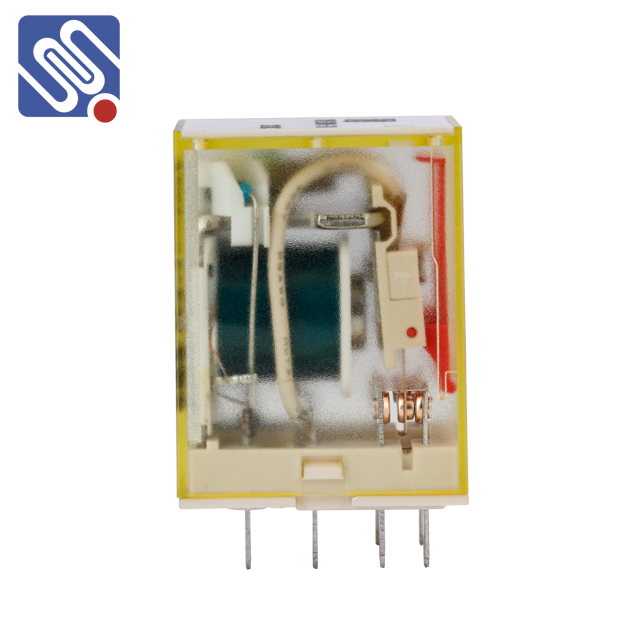
What is an Industrial Relay? An industrial relay is an electrically operated switch that allows control over high-power circuits using low-power control signals. The core mechanism behind a relay is its ability to use an electromagnet to either open or close a set of contacts, which in turn controls the power to connected electrical devices. By isolating the control circuit from the power circuit, relays enhance both safety and reliability in various applications. How Does an Industrial Relay Work? At its simplest, an industrial relay consists of a coil, an armature, and one or more sets of contacts. When an electric current flows through the coil, it generates a magnetic field that attracts or repels the armature. This mechanical movement causes the contacts to either open or close, depending on the design of the relay. In essence, relays function as switches that can control a larger electrical load with a smaller input signal.