In today’s fast-paced technological world, electrical safety has become a critical concern. One of the essential protective devices that help mitigate electrical hazards is the Leakage Current Relay (LCR). This device plays a vital role in preventing electrical accidents, such as electric shocks and fires, by monitoring and controlling leakage currents in electrical circuits. In this article, we will explore what a Leakage Current Relay is, its working principle, applications, and why it is indispensable in ensuring electrical safety.
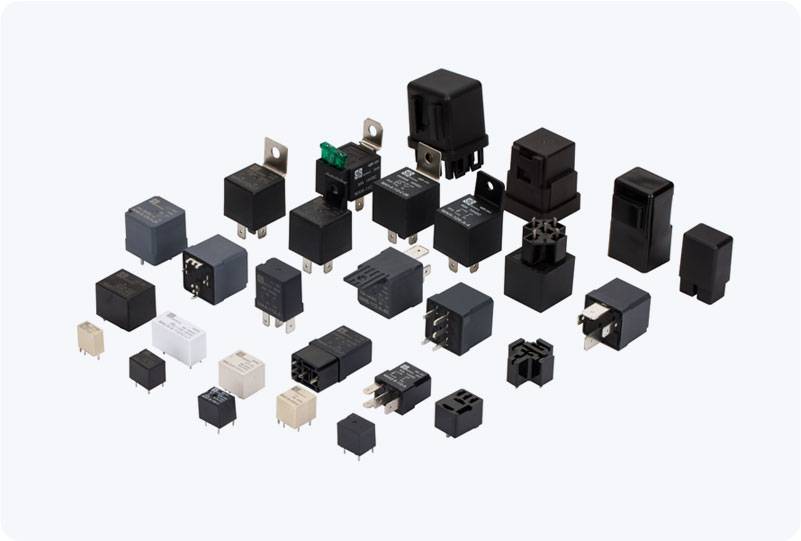
What is a Leakage Current Relay? A Leakage Current Relay (LCR) is a protective device designed to detect leakage currents in electrical systems. Leakage current refers to the unintended flow of electric current through paths other than the intended conductor, often due to insulation failures, moisture, or aging electrical components. The LCR monitors the current flow and, when it detects leakage beyond a predetermined threshold, it disconnects the power supply, thereby protecting both the electrical system and individuals from potential hazards. Working Principle of a Leakage Current Relay