Lock out equipment plays a crucial role in ensuring the safety of workers when dealing with machinery or equipment that requires maintenance, repair, or inspection. These safety tools are integral to the Lockout/Tagout (LOTO) program, a widely recognized safety protocol aimed at preventing workplace injuries and fatalities caused by the accidental release of hazardous energy during servicing activities. In this article, we will explore the importance of lock out equipment, its types, and its role in maintaining a safe working environment.
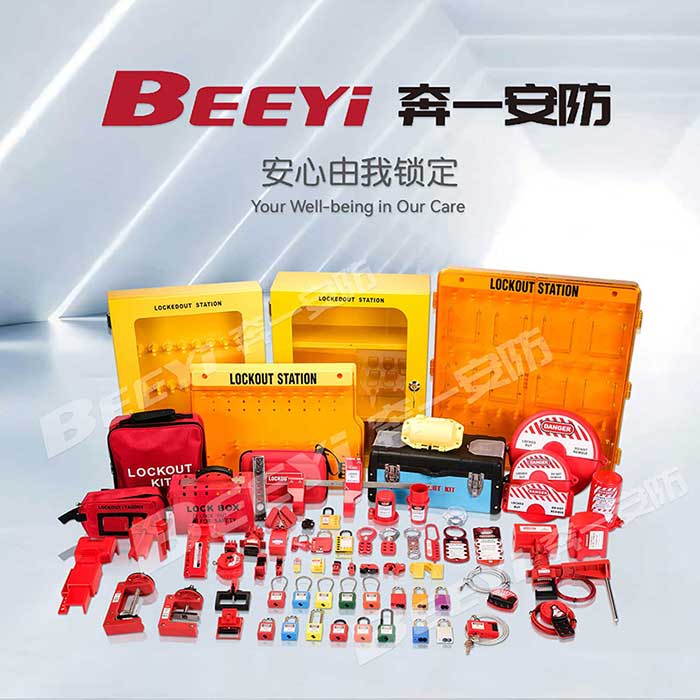
What is Lock Out Equipment? Lock out equipment refers to a range of devices used to physically isolate energy sources or block the operation of machinery during maintenance or repair. The goal is to prevent unintentional startup or release of hazardous energy, which could cause serious injuries or fatalities to workers. This type of equipment is used in industrial, manufacturing, and construction settings, where machinery and heavy equipment are frequently involved in potentially dangerous operations. The Lockout/Tagout procedure, which is implemented through the use of lock out equipment, is critical in ensuring that workers are protected from electrical, mechanical, hydraulic, pneumatic, chemical, or thermal energy that could be released unexpectedly.