In today’s electrical systems, ensuring the safety and reliability of the installation is paramount. A significant component in maintaining this safety is the Insulation Monitoring Relay (IMR), a device designed to monitor and evaluate the integrity of the electrical insulation within a system. The primary function of an IMR is to detect any degradation in the insulation, which could lead to dangerous situations like electrical shocks or fires. By continuously monitoring the insulation status and providing early warnings, IMRs play a critical role in preventing these potential hazards.
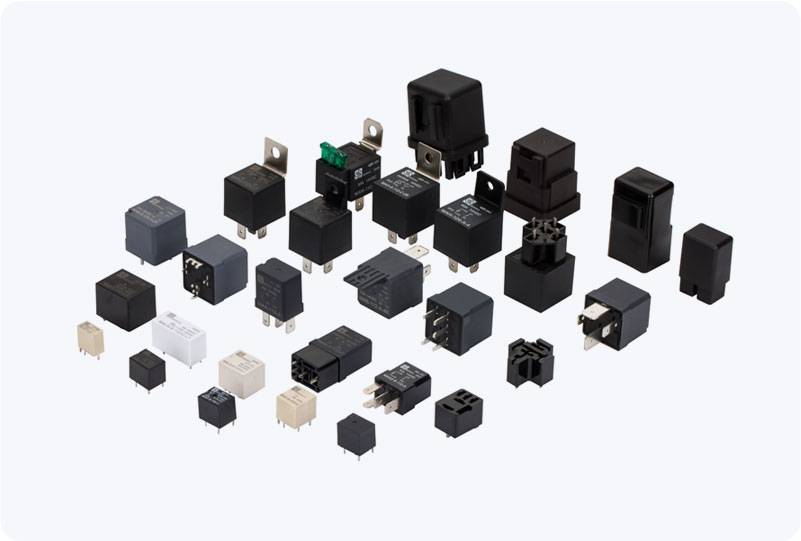
What is an Insulation Monitoring Relay? An Insulation Monitoring Relay is an electrical device used to monitor the condition of insulation in electrical circuits. It is primarily used in systems where insulation faults are difficult to detect or where there is a risk of leakage currents. The relay measures the electrical resistance between the live conductors and the earth or neutral point of the system. When the insulation resistance falls below a predefined threshold, the relay triggers an alarm or disconnects the system, preventing further damage or accidents. IMRs are typically used in systems that require continuous, uninterrupted operation, such as hospitals, industrial plants, and data centers, where any electrical failure could have catastrophic consequences. These relays are essential for systems that operate with ungrounded or isolated power sources, which makes them more vulnerable to insulation faults.