Automotive relays are essential components in modern vehicles, serving as electrical switches that control various high-power automotive devices. The coil of an automotive relay is a critical part of its operation. It is responsible for generating a magnetic field that activates the relay’s switching mechanism. Understanding the specifications of automotive relay coils is crucial for ensuring their efficiency and reliability in automotive applications. In this article, we will discuss the key specifications of automotive relay coils and their importance in vehicle electrical systems.
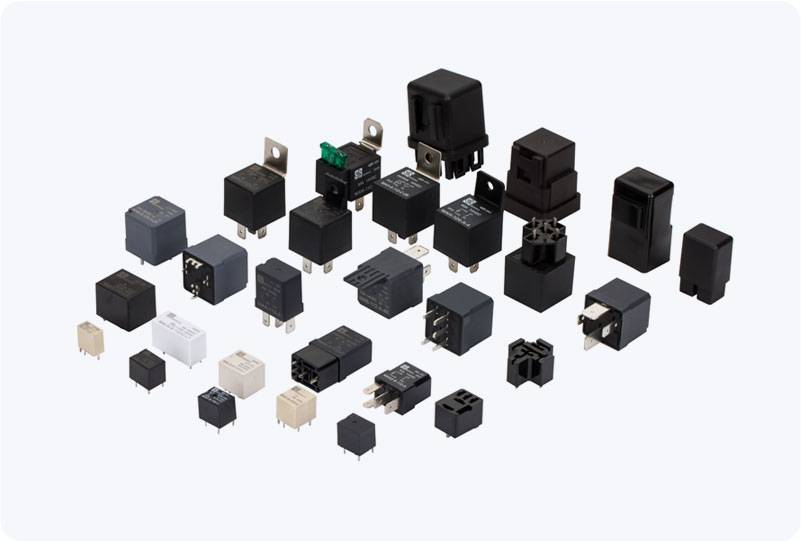
1. Coil Voltage The coil voltage is one of the most important specifications of an automotive relay coil. It refers to the electrical voltage required to energize the relay’s coil and activate the switch. Automotive relay coils are commonly designed to operate at 12V or 24V DC, corresponding to the standard electrical voltages used in most vehicle systems. The choice of coil voltage depends on the vehicle’s electrical system. For example, 12V relays are commonly used in passenger vehicles, while 24V relays are more typical in heavy-duty vehicles like trucks and buses. It is important to match the relay coil voltage to the vehicle’s electrical system to ensure proper operation and prevent damage to the relay or the vehicle’s electrical components.