Lockout/Tagout (LOTO) procedures are essential for maintaining safety in workplaces where machinery and equipment are used. LOTO tags are a key component of this safety system, serving as a visual warning that equipment has been locked or tagged to prevent unauthorized operation. These tags are crucial in ensuring the safety of workers during maintenance, repair, or service activities, particularly in industries such as manufacturing, construction, and energy. In this article, we will explore the significance of LOTO tags, their role in workplace safety, and the best practices for implementing LOTO systems.
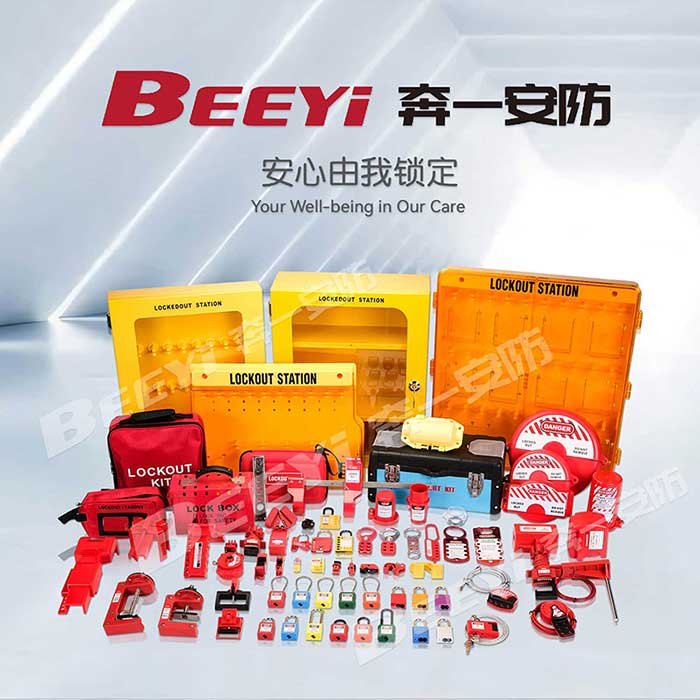
What are LOTO Tags? LOTO tags are safety devices used to indicate that a piece of equipment is under lockout or tagout, meaning that it cannot be operated until maintenance or repair work has been completed. These tags are attached to machinery or electrical systems to signal that workers should not attempt to start or engage the equipment. The tag is typically accompanied by a lock, which is placed on the equipment’s energy-isolating device, ensuring that the machine remains inoperative until the lock and tag are removed by the authorized personnel. The purpose of a LOTO tag is to provide clear communication and prevent accidental activation of machinery that could lead to injuries or fatalities. It is an essential part of the overall Lockout/Tagout program, which is designed to control hazardous energy sources and protect employees who work on or near these sources.