The transition from traditional internal combustion engine (ICE) vehicles to electric vehicles (EVs) is reshaping the automotive industry. A critical aspect of this transition is the development of more efficient, higher-power electrical systems that support the enhanced performance and energy demands of EVs. One such component that plays an essential role in these systems is the 48V automotive relay, which helps manage power distribution and ensures the safety and reliability of electric vehicle operations.
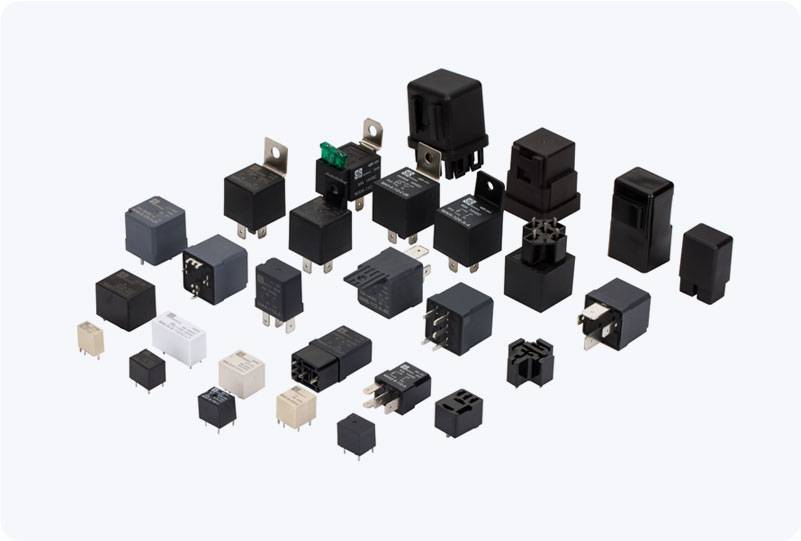
The Role of 48V Automotive Relays in Electric Vehicles As the automotive industry moves towards electrification, the adoption of 48V electrical systems is becoming increasingly popular. Unlike the traditional 12V systems, a 48V architecture provides higher power capacity, making it suitable for more demanding automotive applications. 48V automotive relays are designed to control the high-voltage circuits within these systems, enabling smooth operation while maintaining safety standards.
These relays are primarily responsible for switching electrical components on and off in the vehicle’s 48V system. They control the flow of electricity to critical components such as electric motors, battery management systems (BMS), power inverters, and cooling systems. By performing this function, 48V automotive relays help ensure that the electrical system works efficiently and safely, providing the power necessary for vehicle performance.