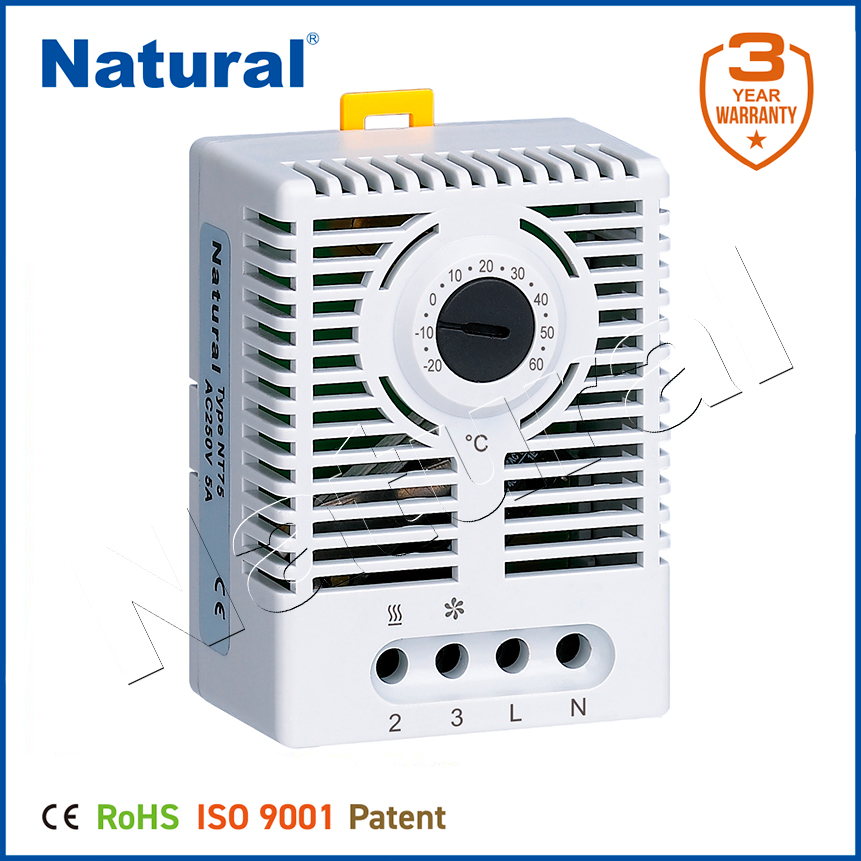
An adjustable thermostat is a device that allows users to control the temperature in a specific space. By enabling precise temperature regulation, this device plays a crucial role in creating a comfortable environment, optimizing energy usage, and maintaining cost efficiency. Adjustable thermostats have become increasingly popular in homes, offices, and industrial settings for their ability to regulate heating and cooling systems based on user preferences. This article explores the various features, benefits, and types of adjustable thermostats, as well as their impact on energy conservation and comfort.
Understanding How an Adjustable Thermostat Works
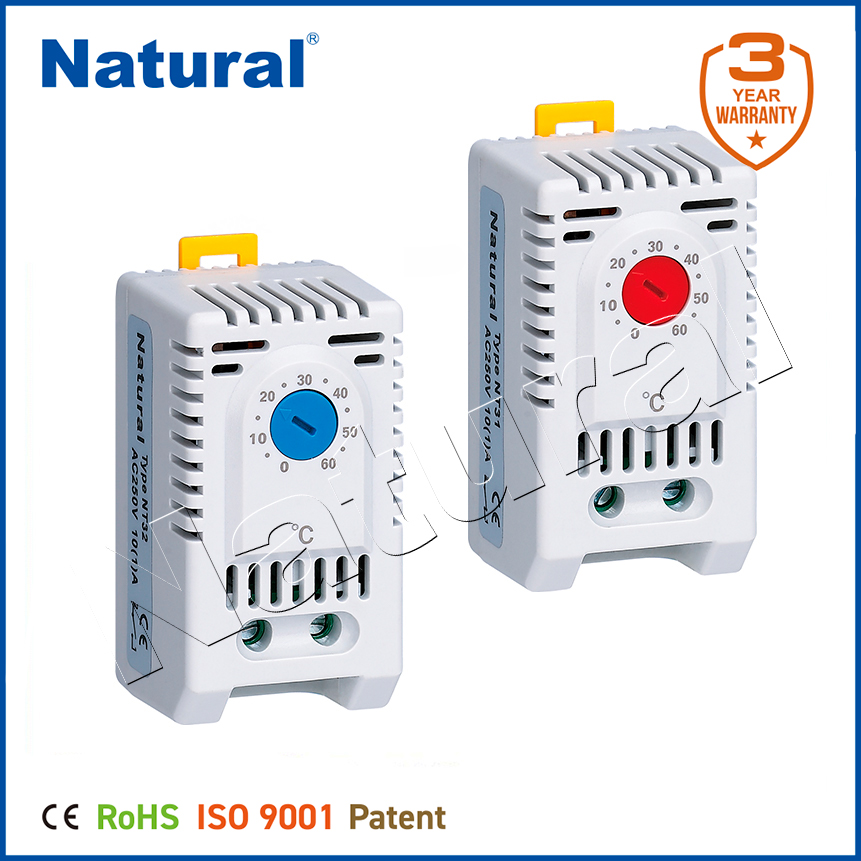
At its core, an adjustable thermostat regulates the temperature by controlling the operation of a heating or cooling system. The device is equipped with a sensor that monitors the current temperature in the room or space. Users can set a desired temperature, and the thermostat adjusts the system’s operation accordingly. For instance, when the room temperature exceeds the set threshold, the thermostat will signal the system to stop heating or cooling. Conversely, when the room temperature falls below the desired level, the thermostat activates the system to restore the comfort level. There are various types of thermostats available in the market today, including manual, programmable, and smart thermostats. Manual thermostats allow users to adjust the temperature manually, while programmable thermostats can be set to automatically adjust the temperature based on a schedule. Smart thermostats, which represent the latest technology, can be controlled remotely through mobile apps or voice assistants, providing ultimate convenience and flexibility.