A Low Voltage DC Relay is an essential component in various electrical and electronic systems that require the control of low voltage direct current (DC) circuits. These relays operate on the principle of using an electromagnet to control a switch, enabling users to control larger electrical loads with a smaller control signal. In this article, we will explore the functionality, key features, applications, and advantages of Low Voltage DC Relays.
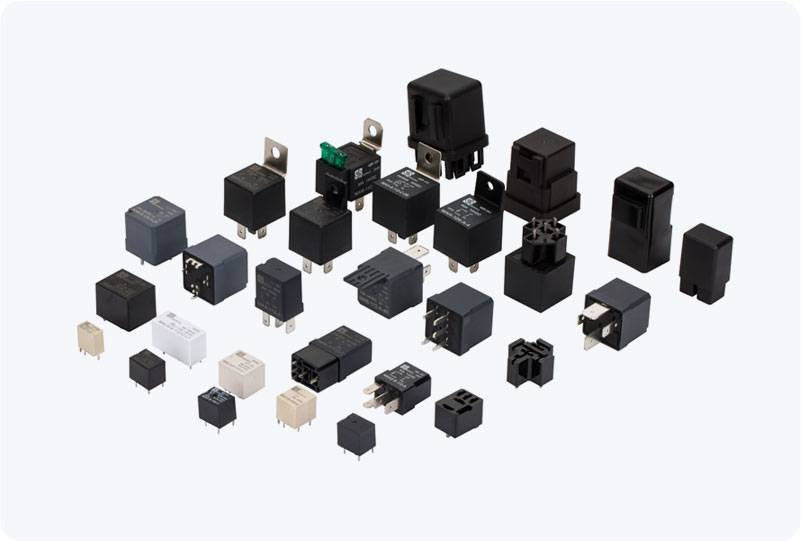
What is a Low Voltage DC Relay? A Low Voltage DC Relay is an electromechanical device designed to open and close electrical contacts in response to an electrical signal. The relay operates by using a low voltage DC current to energize a coil, which creates a magnetic field. This magnetic field then causes the relay’s internal switch to either open or close, depending on the relay’s configuration. Relays are used in a variety of applications where direct control of a high-power circuit is required by a low-power signal. Low Voltage DC Relays typically operate on voltages of 3V, 5V, 12V, 24V, or 48V DC, making them ideal for use in systems powered by low-voltage sources.