Relays are crucial components in electrical and electronic systems, acting as switches that control larger currents with smaller ones. The concept of “relay load” refers to the electrical load or device that the relay is controlling. Understanding relay loads is essential for ensuring that relays function efficiently, safely, and reliably in various applications. In this article, we will delve into what relay load is, the different types of loads that relays handle, and the factors to consider when selecting relays for specific applications.
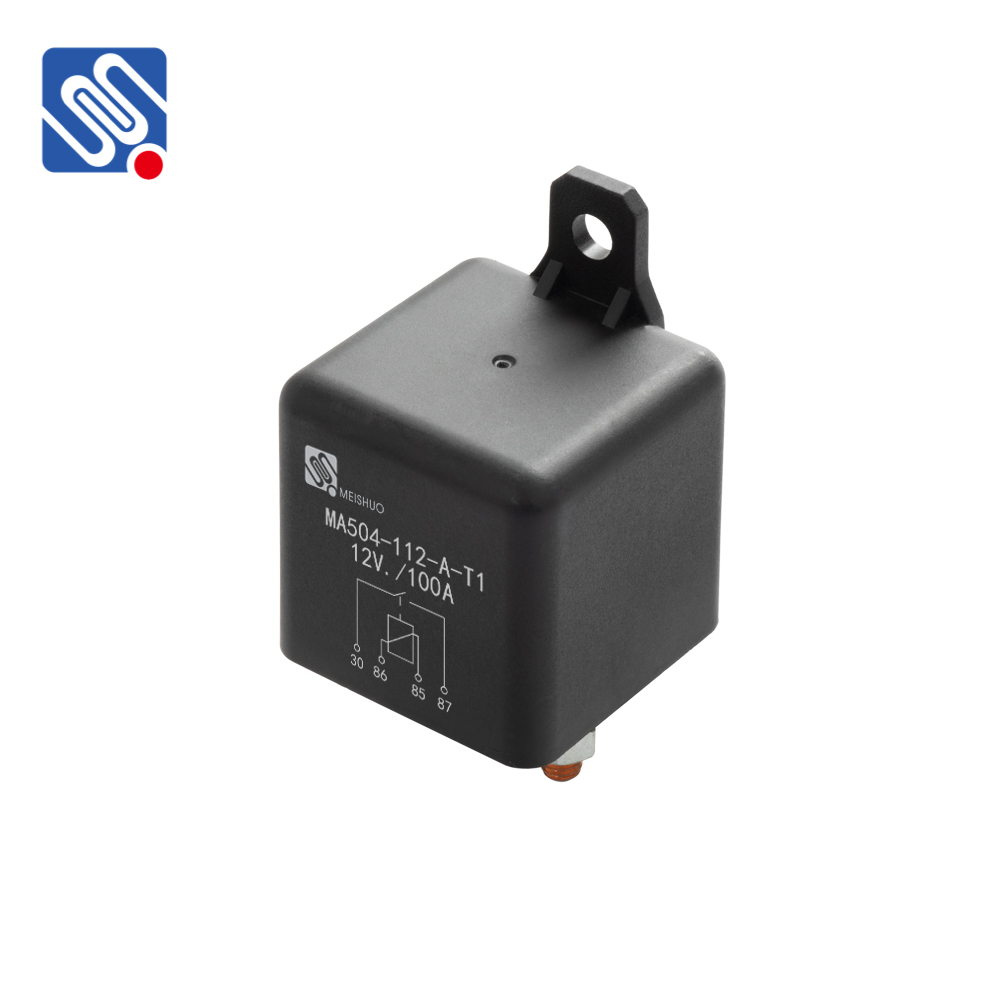
What is Relay Load? At its core, relay load refers to the electrical equipment or device that a relay is designed to control by switching its current on or off. The relay itself is an electromagnetic switch that, when energized, closes or opens a set of contacts, allowing or interrupting the flow of current to the load. The load can vary greatly depending on the application, ranging from simple resistive elements like light bulbs to complex inductive loads such as motors or transformers. Relays are used in a variety of fields, including industrial automation, automotive systems, home appliances, and telecommunications. They play a crucial role in controlling the power supplied to devices and systems, often offering a convenient way to control circuits from a distance, or to isolate different parts of a circuit for safety or efficiency.