A relay is an electrically operated switch that plays a crucial role in many electrical systems, allowing control of high-power devices with low-power signals. It is commonly used for applications in power systems, industrial automation, and even in home appliances. This guide provides a comprehensive overview of relay operation, including its working principle, installation process, troubleshooting methods, and maintenance tips, aimed at helping users achieve optimal performance from their relay systems.
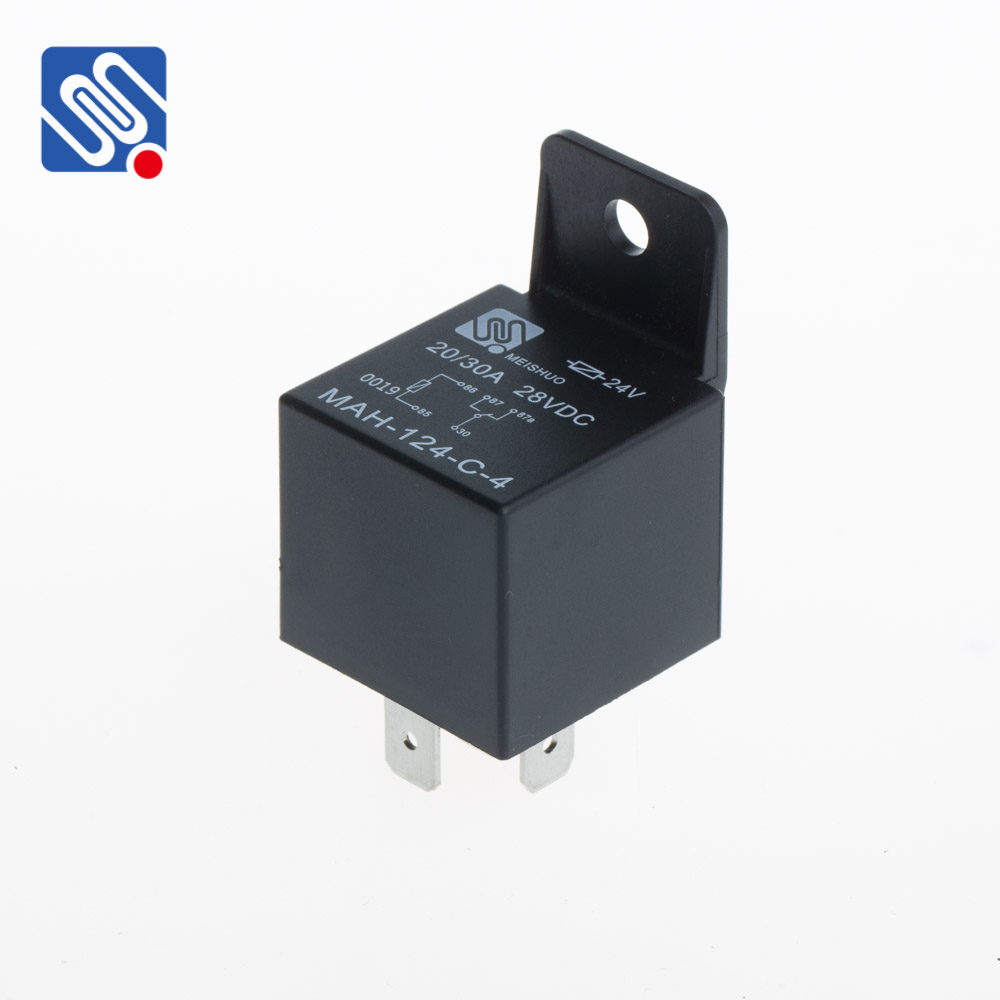
1. Understanding Relay Basics A relay operates as a switch that uses an electromagnet to open or close contacts, enabling or interrupting the flow of electricity to a circuit. Typically, it consists of a coil, contacts, and a spring. When an electric current flows through the coil, it creates a magnetic field, causing the armature to move and either close or open the contacts. This allows the relay to control the power to other components in the system. There are several types of relays, including electromagnetic relays, solid-state relays, and thermal relays, each designed for specific applications. Understanding the characteristics of the relay you are working with is crucial to ensure that it functions effectively and safely.