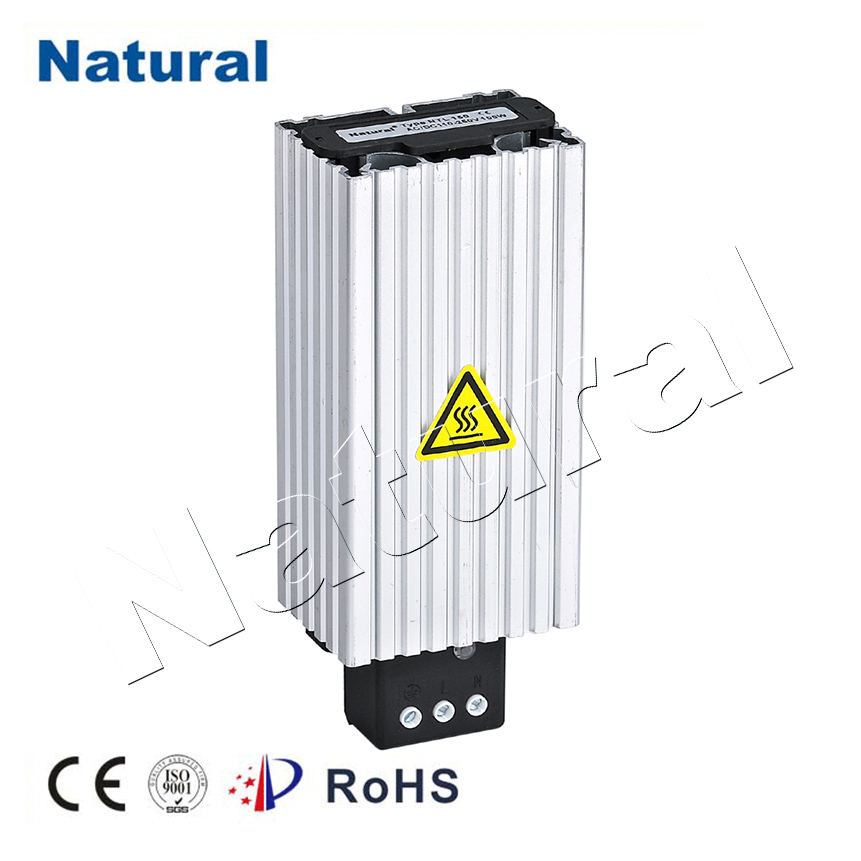
In recent years, the use of 12V heaters has become increasingly popular, especially for those who need portable, energy-efficient, and versatile heating solutions. Whether for automotive, outdoor activities, or small-scale home use, 12V heaters offer a range of benefits that make them ideal for specific heating needs. This article explores the functionality, applications, advantages, and considerations of using 12V heaters, highlighting why they are becoming a go-to solution in many situations.
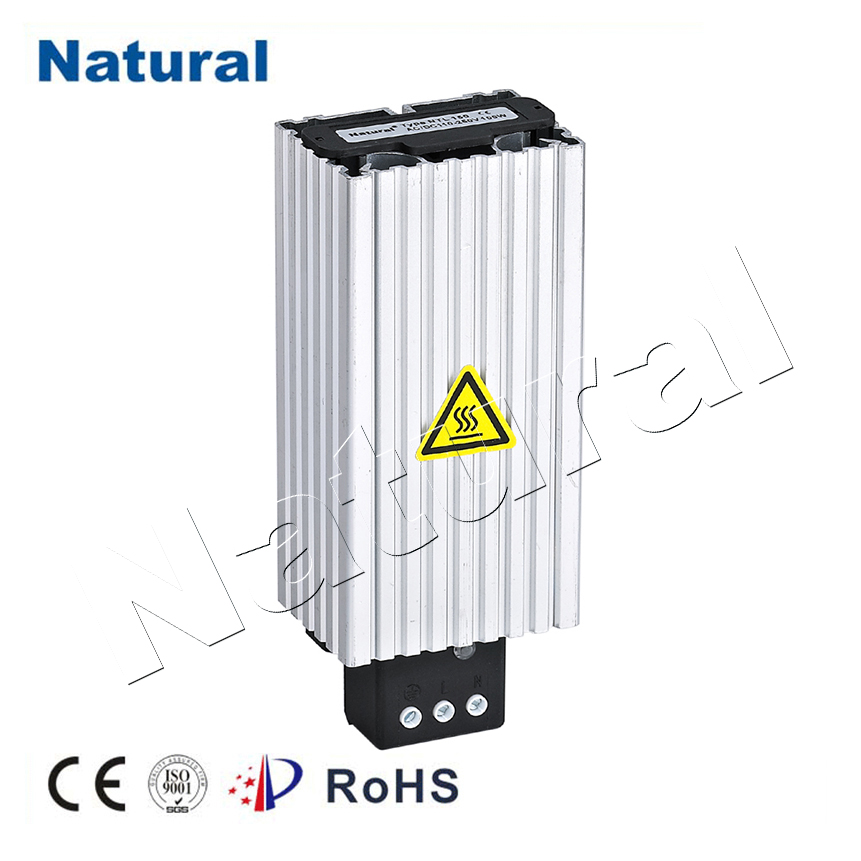
What is a 12V Heater?
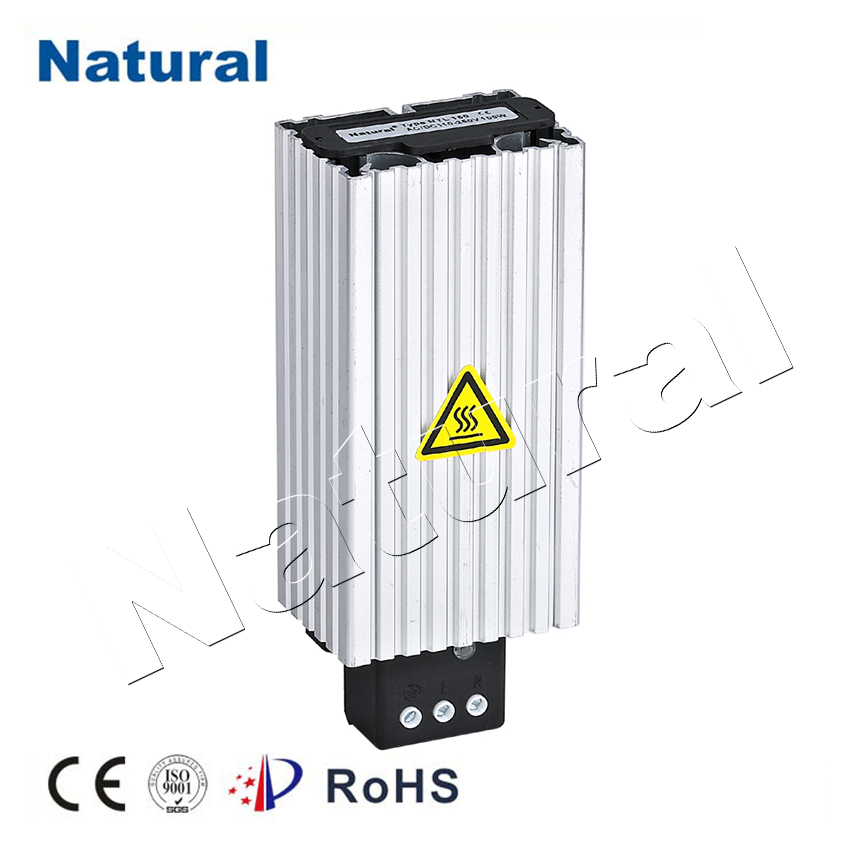
A 12V heater is a type of electric heating device that operates on a 12-volt DC (direct current) power supply, commonly used in vehicles, RVs, boats, and other low-voltage systems. Unlike traditional AC-powered heaters, which require a higher voltage, 12V heaters are designed to run efficiently on a 12V battery or an automobile’s power system. This makes them portable, energy-efficient, and highly adaptable for various applications. How Does a 12V Heater Work? At its core, a 12V heater functions much like any other electric heater. The device uses electrical resistance to convert electrical energy into heat. When current flows through a heating element, such as a metal coil or carbon fiber material, the resistance of the element causes it to heat up. The heat produced is then transferred to the surrounding environment through convection or radiation.