Water treatment systems are essential for ensuring clean and safe water for various applications, ranging from drinking water purification to industrial wastewater management. One of the critical components that make these systems efficient and reliable is the Water Treatment System Solenoid Valve. These valves, operating with electrical signals, play a vital role in regulating the flow of water within these systems, offering both automation and precision control. This article will explore the function, types, applications, and benefits of solenoid valves in water treatment systems.
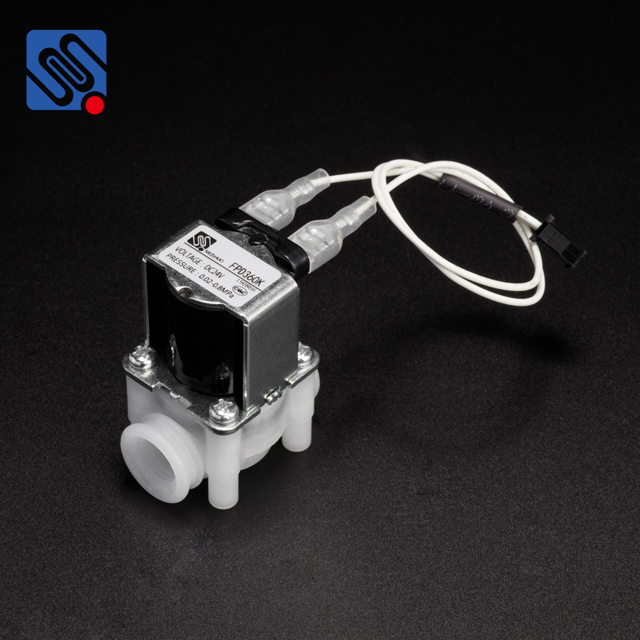
What is a Water Treatment System Solenoid Valve? A Water Treatment System Solenoid Valve is an electromechanical device that controls the flow of water within a system. The valve is activated or deactivated by an electrical current, which triggers the opening or closing of the valve. When current flows through a solenoid coil, it generates a magnetic field that pulls or pushes a plunger or armature, which either opens or closes the valve. When the current is turned off, a spring returns the valve to its original state. This mechanism allows solenoid valves to perform automated control, reducing the need for manual intervention. Their quick response time, reliability, and ability to integrate with modern water treatment systems make them indispensable in many applications.