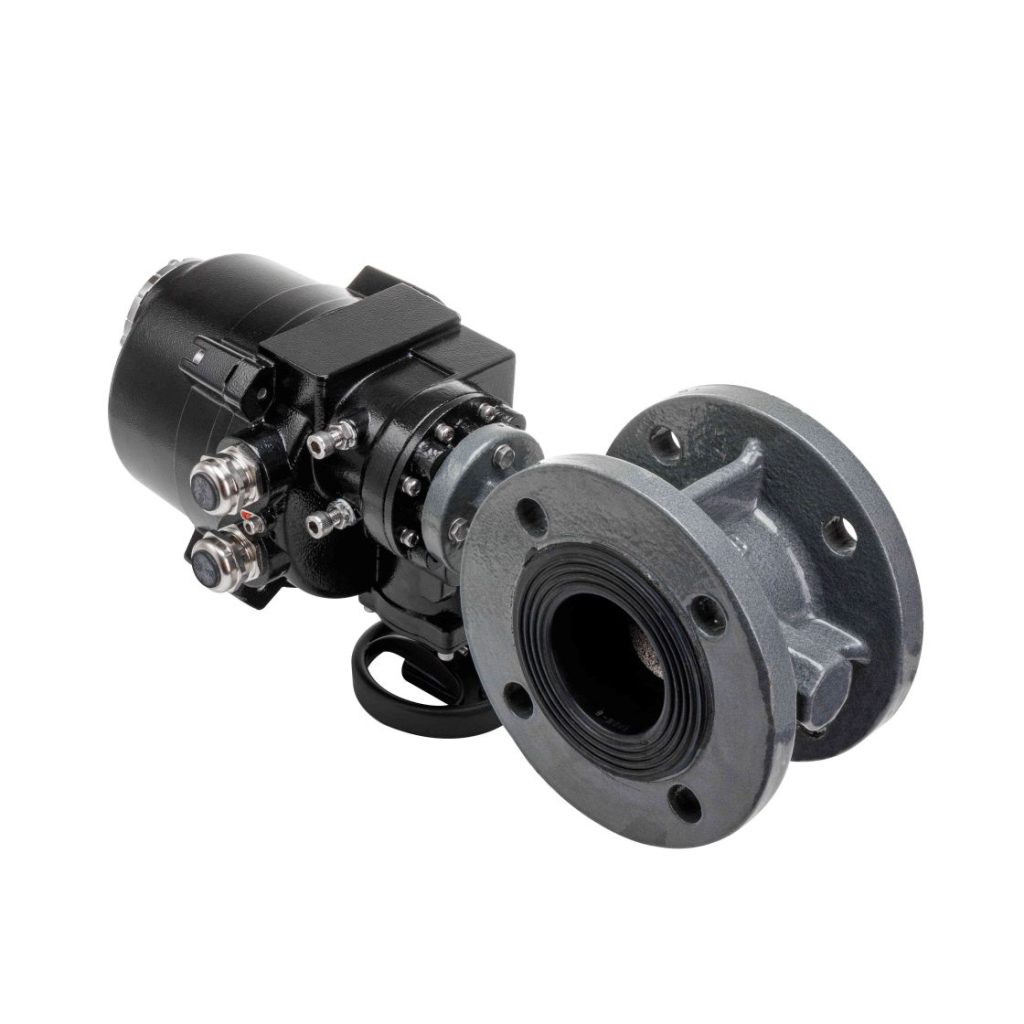
Electric ball valves are becoming increasingly popular in various industries due to their efficiency, reliability, and ease of automation. This article provides a detailed overview of the electric ball valve, its key features, and the diverse applications it serves across multiple sectors.
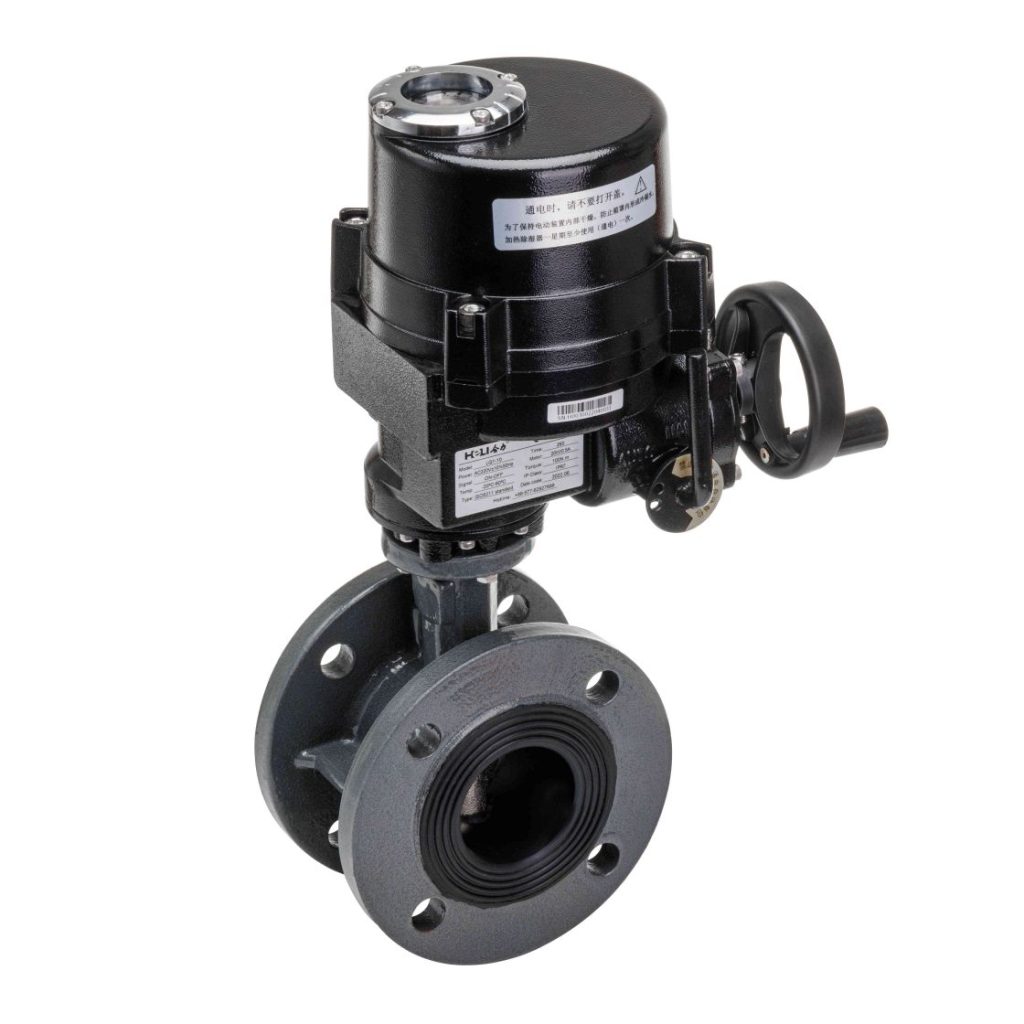
What is an Electric Ball Valve?
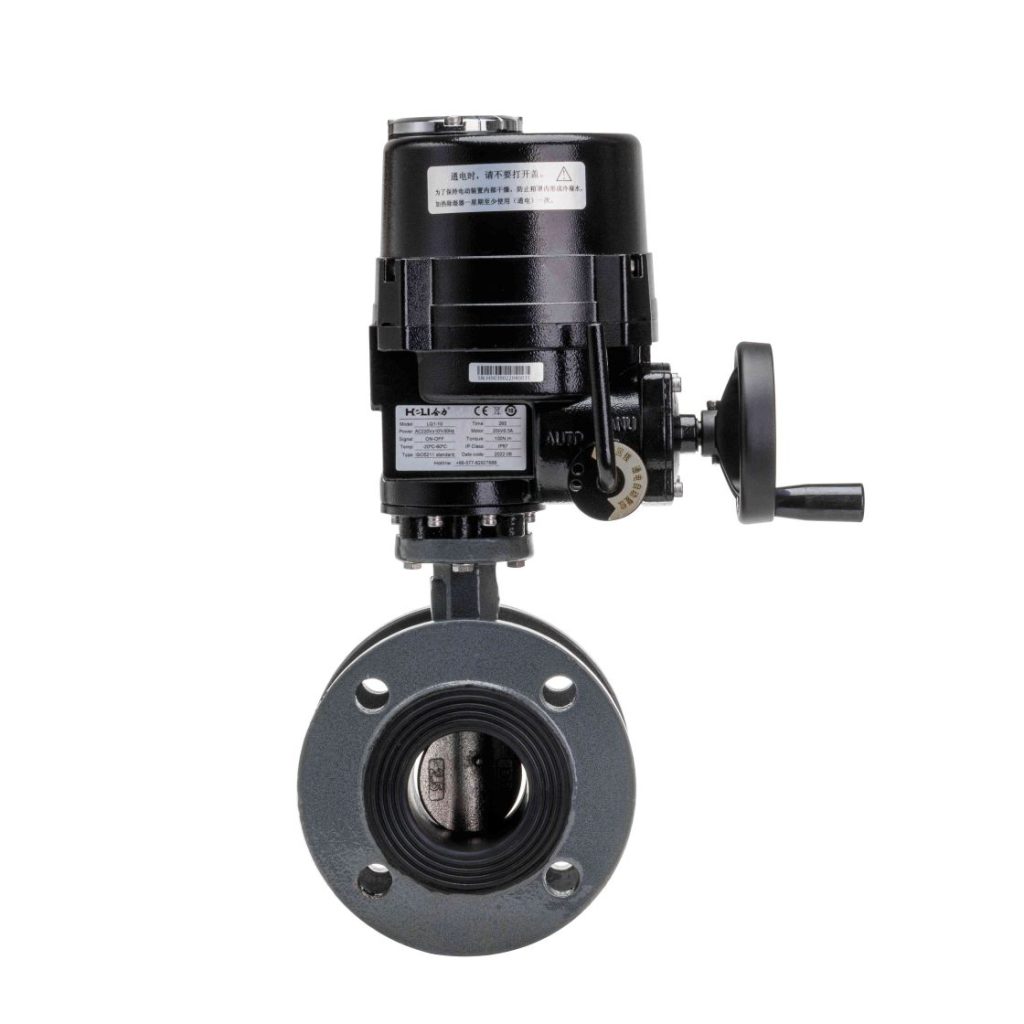
An electric ball valve is a type of valve that utilizes an electric actuator to open or close the valve, controlling the flow of liquids or gases through a pipe or system. The valve consists of a ball with a hole (or port) through the center, which rotates to either allow or block the flow. When powered by an electric actuator, this rotation can be performed automatically or remotely, offering a high degree of control. The ball valve is known for its simple yet effective design. The electric actuator attached to the valve stem receives an electrical signal and rotates the valve’s ball to a fully open, closed, or intermediate position, depending on the required flow. This functionality is ideal for applications where manual valve control is impractical or where automation is a key requirement.