A 24V 10A relay is a widely used electromechanical device that serves as a switch, enabling one circuit to control the power in another circuit. Operating on a 24V DC control voltage and capable of handling up to 10A of current, this type of relay is commonly found in various industries and applications, from home appliances to automotive systems and industrial automation.
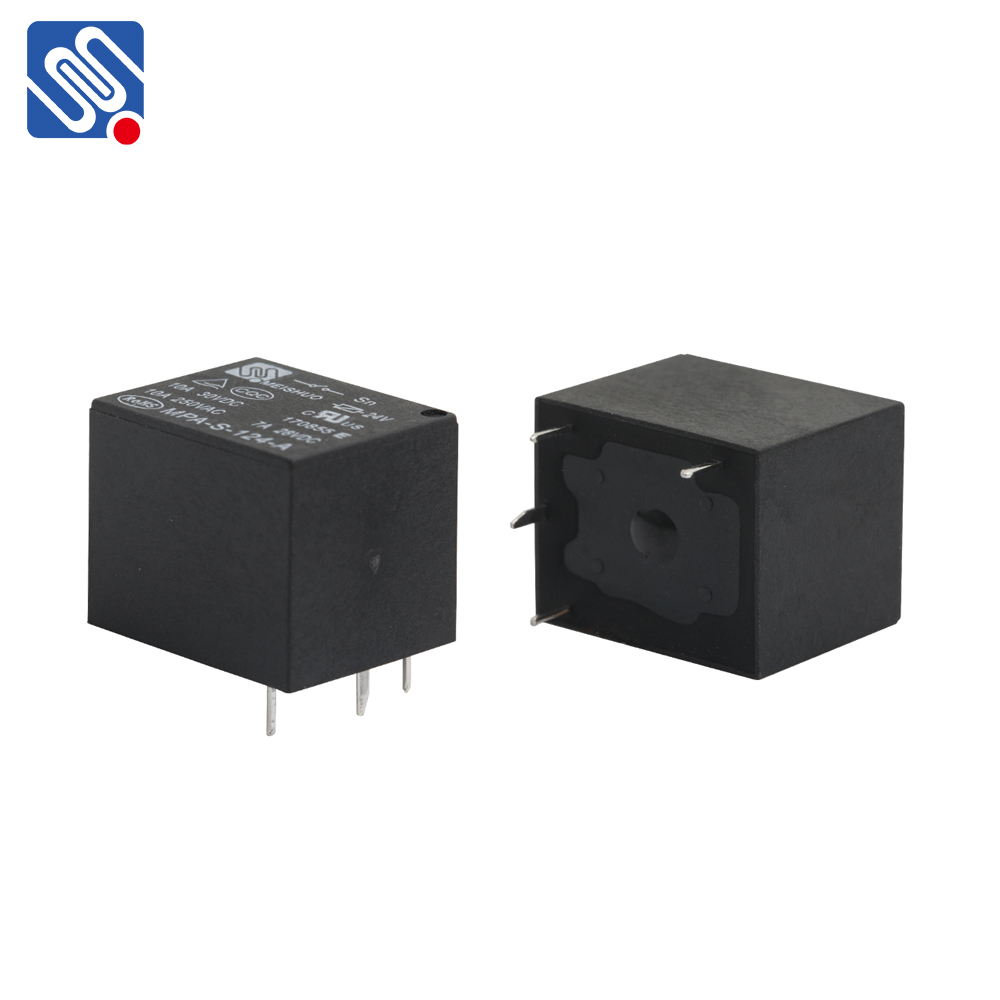
What is a 24V 10A Relay? At its core, a relay is a device that uses an electromagnet to open or close contacts in an electrical circuit. When an electrical current flows through the relay’s coil (the electromagnet), it generates a magnetic field that moves the relay’s internal switch. This action allows the relay to control larger currents in a secondary circuit with a much smaller control current. The 24V 10A relay specifically operates with a 24V DC control voltage, meaning it is designed to be triggered by a 24V signal, which then activates the switching mechanism. The 10A rating refers to the maximum current that the relay can handle on its switched contacts. Depending on the model, this can apply to either an AC or DC load, although the relay’s actual current rating can vary with different load types. With a 10A rating, the relay can manage high-current applications, such as turning on motors or large appliances that require substantial electrical power.