Lock out padlocks play a critical role in workplace safety, particularly in industries where hazardous machinery or electrical systems are involved. These specialized locks are an essential component of the Lockout/Tagout (LOTO) procedure, designed to prevent accidental machinery startups during maintenance or repair. With increasing workplace safety regulations and awareness, the significance of lock out padlocks has become paramount in ensuring the safety of workers and preventing workplace injuries.
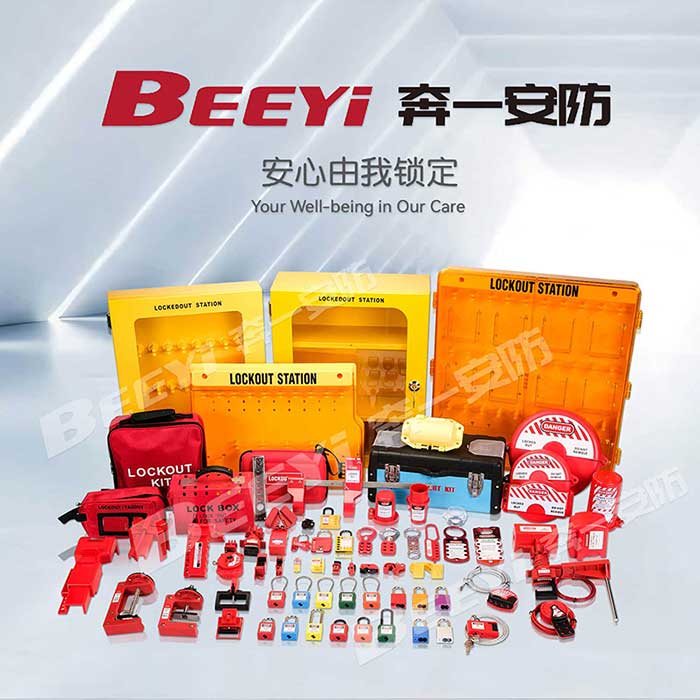
What Are Lock Out Padlocks? Lock out padlocks, also known as safety padlocks or isolation locks, are designed to secure energy-isolating devices such as circuit breakers, valves, and electrical switches during maintenance or repair. The primary purpose of these locks is to prevent accidental or unauthorized operation of equipment that may be dangerous to workers, especially in high-risk industries like manufacturing, utilities, and construction. By isolating energy sources and ensuring that machinery cannot be started until maintenance is complete, lock out padlocks help reduce the risk of injuries and fatalities caused by unexpected machine operation.