In industrial settings, where complex machinery and hazardous processes are involved, safety is of paramount importance. One critical aspect of ensuring a safe work environment is the use of valve lockout devices, which are part of a broader safety protocol known as lockout/tagout (LOTO). These devices play a crucial role in preventing accidental valve operation during maintenance and repair tasks, protecting workers from potential injuries and fatalities.
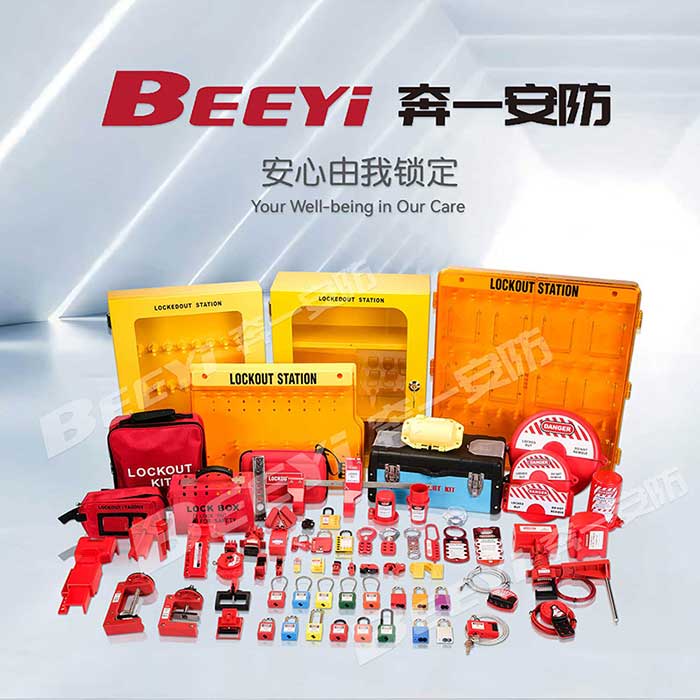
What Are Valve Lockout Devices? A valve lockout device is a safety tool used to physically secure valves in the off or isolated position. These devices are typically applied to valve handles or stems, preventing the valve from being turned or operated while maintenance or servicing work is ongoing. Valve lockout devices can take various forms, such as clamp-on devices, custom-fit covers, or locking mechanisms, depending on the type of valve they are designed to secure. The primary purpose of a valve lockout device is to eliminate the risk of unintentional valve operation during maintenance. When a worker is servicing a machine or system that involves pressurized liquids or gases, a sudden valve operation can result in dangerous pressure surges or the release of hazardous materials. By using a valve lockout device, workers ensure that the valve cannot be accidentally opened or closed, maintaining a safe environment while the work is being carried out.