Pneumatic systems are widely used in various industries due to their efficiency and ability to perform high-powered tasks using compressed air. However, with such powerful systems comes the need for strict safety protocols to prevent accidents during maintenance and repair operations. This is where pneumatic lockouts come into play. These devices are designed to ensure that pneumatic systems are safely isolated and cannot be activated while workers are performing maintenance tasks. In this article, we will explore the role of pneumatic lockout wholesalers and how they contribute to industrial safety.
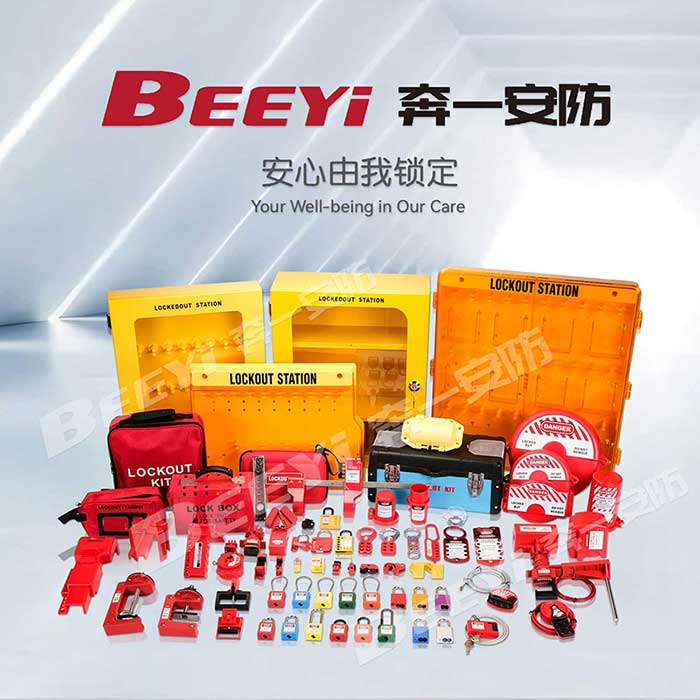
What are Pneumatic Lockouts? Pneumatic lockouts are mechanical safety devices used to isolate pneumatic energy sources, such as air compressors or pneumatic valves, during maintenance. These lockouts physically prevent pneumatic systems from being turned on, ensuring that workers are not exposed to the risks of unexpected system activation, which could lead to injuries or accidents. Pneumatic lockouts come in various forms, such as valve lockouts, air hose lockouts, and manual shut-off devices. These devices typically consist of a lockout mechanism that securely attaches to the system’s control point, such as a valve or regulator. Once in place, the lockout prevents the system from being operated, even if someone attempts to override the control. The use of pneumatic lockouts is an essential part of lockout/tagout (LOTO) procedures, which are safety protocols designed to prevent the accidental release of hazardous energy during service or maintenance.