Non-toxic solenoid valves are crucial components in various industries where safety and health standards are paramount. Unlike standard solenoid valves, which are typically used to control the flow of liquids and gases in industrial processes, non-toxic solenoid valves are specifically designed to prevent contamination. These valves ensure that hazardous substances are not introduced into the fluid systems, making them indispensable in medical, food processing, water treatment, and pharmaceutical industries. In this article, we will explore the importance, features, and applications of non-toxic solenoid valves, and how they play a vital role in maintaining the highest levels of safety and performance in critical environments.
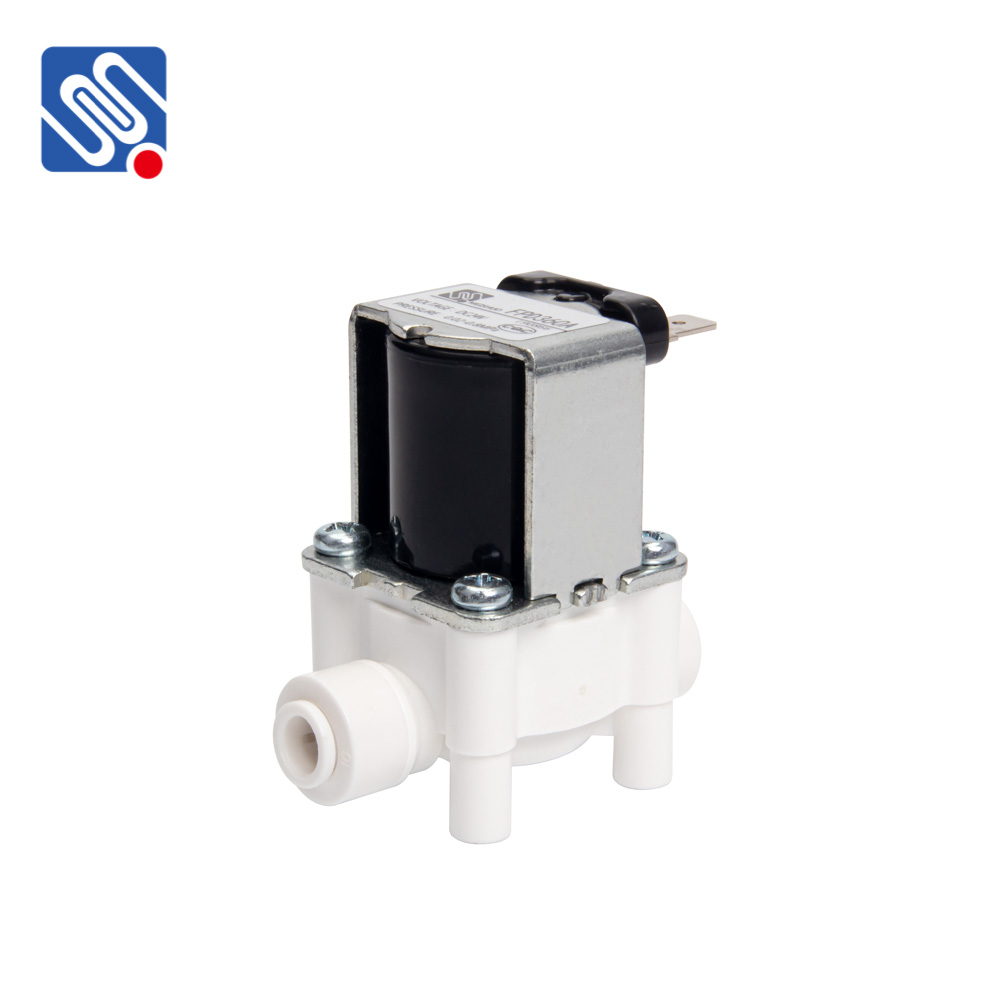
What is a Non-toxic Solenoid Valve? A non-toxic solenoid valve is an electrically operated valve that controls the flow of fluids (such as water, gases, or chemicals) while using materials that are certified as safe for sensitive applications. The term “non-toxic” refers to the use of materials that do not release harmful chemicals or compounds into the environment or fluids. This is especially important in industries like food and beverage production, pharmaceuticals, and water purification, where contamination could lead to severe health risks. Non-toxic solenoid valves are typically constructed using FDA-approved materials, such as food-grade stainless steel, silicone rubber, and other non-toxic elastomers. These materials are not only safe but also provide the necessary durability and resistance to high temperatures, corrosion, and wear.
Leave a Reply