Relays are integral components in electrical systems, enabling the control of high-power circuits with low-power signals. One such commonly used relay is the 24V 30A relay, which is renowned for its ability to manage larger loads effectively, making it a critical component in various automotive, industrial, and electrical applications. This article will delve into the key features, functions, and uses of the 24V 30A relay, highlighting its importance and versatility in the world of electrical engineering.
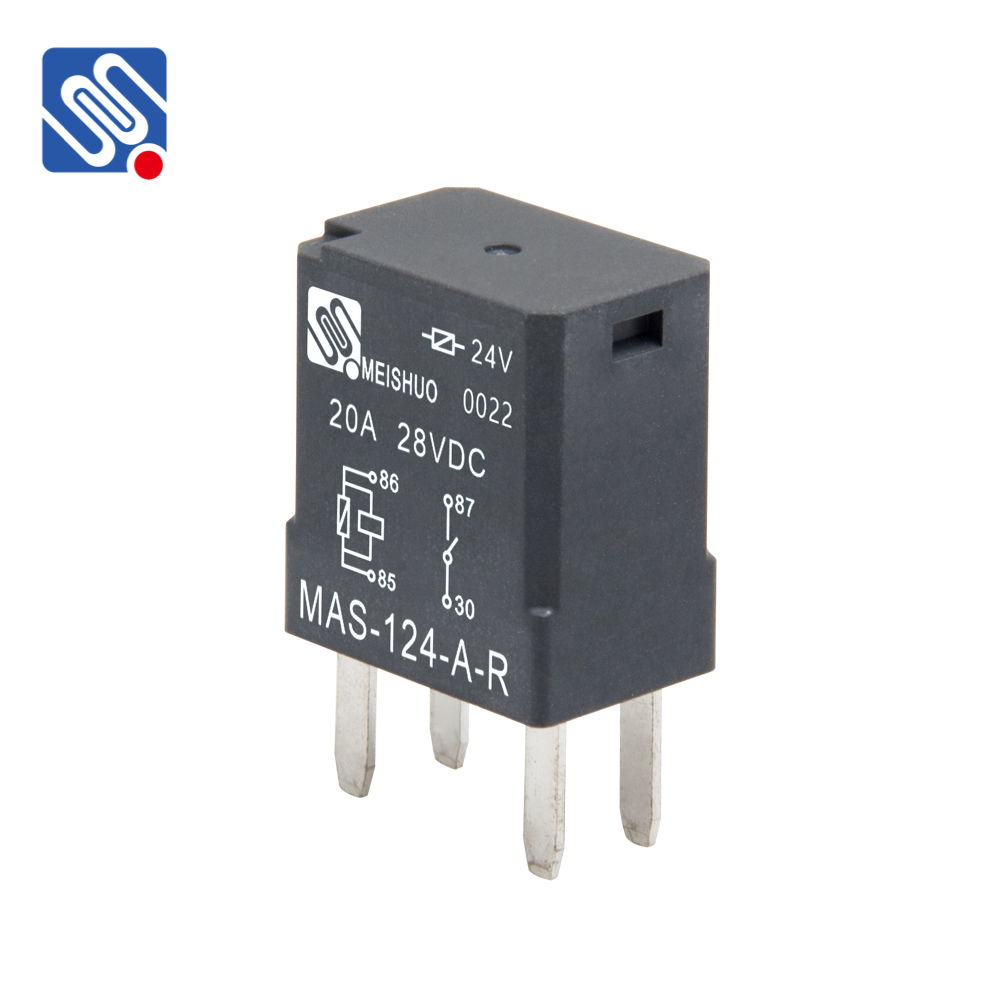
What is a 24V 30A Relay? A 24V 30A relay is an electromechanical switch that allows low-voltage control circuits to control high-current electrical devices. The name “24V” indicates the operating voltage of the relay’s control coil, while “30A” refers to the maximum current the relay can handle on its switching contacts. This combination of specifications makes it suitable for applications that require both moderate control voltage (24V) and the ability to switch higher power (30A). In simple terms, a relay consists of a coil of wire that, when energized, creates a magnetic field. This magnetic field then pulls or pushes a set of contacts, allowing the flow of current in a separate circuit. The 24V 30A relay is specifically designed to handle circuits that require 24V control signals and can carry up to 30A on the output side.