Low flow solenoid valves are an essential component in various industrial and laboratory applications that require precise control of fluids and gases. These valves are designed to regulate the flow of liquids or gases at low flow rates, providing accurate, reliable, and efficient control. Due to their compact size and precision functionality, low flow solenoid valves have become indispensable in fields such as medical devices, chemical processing, laboratory research, and automation systems. This article will explore the key features, working principles, and applications of low flow solenoid valves.
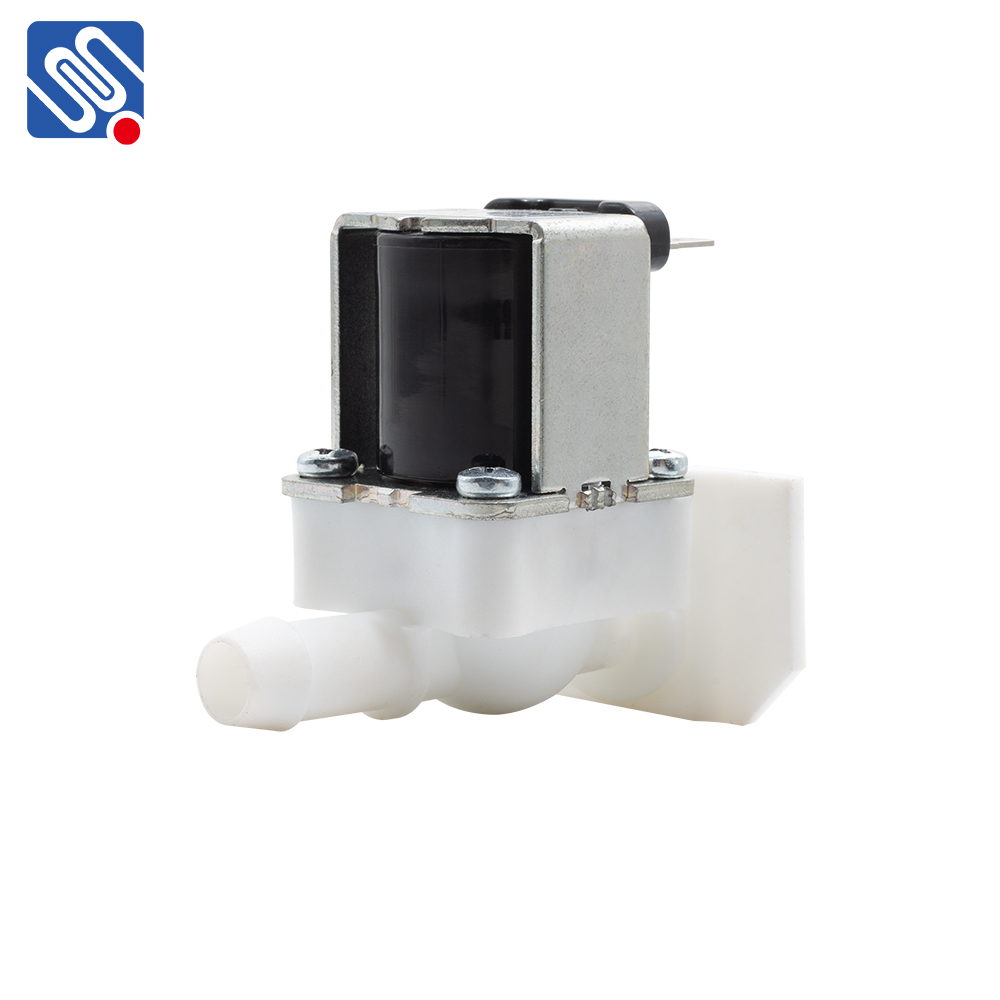
Key Features of Low Flow Solenoid Valves Low flow solenoid valves are engineered to manage minimal fluid flows, often in the range of milliliters per minute or even microliters per minute, depending on the application. One of the most important features of these valves is their ability to deliver precise flow control, which is crucial in settings where accuracy is paramount. These valves are also typically small in size, allowing them to be used in compact systems or devices where space is limited. Another distinguishing characteristic of low flow solenoid valves is their quick response time. Because they are designed to handle small volumes of fluid or gas, they can open and close rapidly, which makes them ideal for use in systems requiring frequent or real-time adjustments. The electromagnetic mechanism that controls these valves is highly efficient, consuming minimal power while delivering the necessary control over the flow.
Leave a Reply