Power relays are an essential part of modern electrical systems, particularly in industries that require the control of high-power circuits. These devices are widely used to manage large electrical loads and ensure that the electrical circuits are controlled safely and effectively. In this article, we will explore the functionality, types, applications, and importance of power relays in various fields.
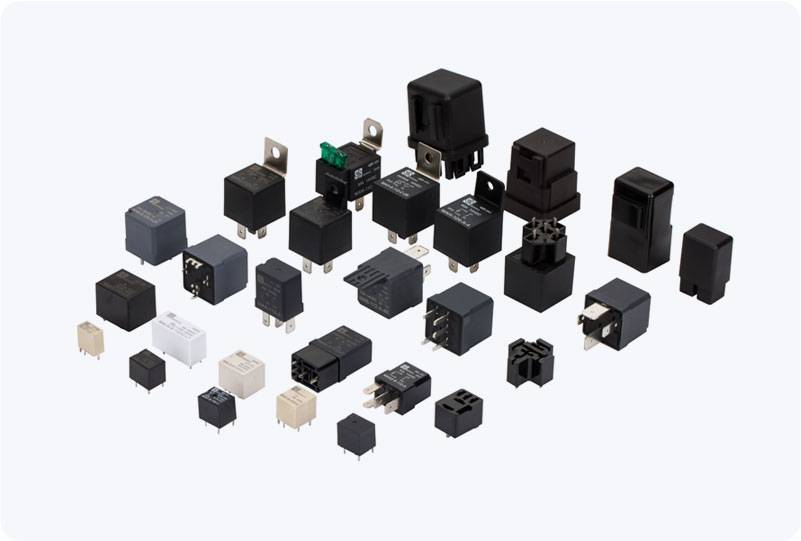
What is a Power Relay? A power relay is an electrically operated switch that is used to control high-power electrical circuits. It consists of an electromagnet (or coil), contacts, and a spring. When an electric current passes through the coil, it generates a magnetic field, which pulls or releases the contacts. This action opens or closes the circuit, allowing the relay to control the flow of electricity. Power relays can switch circuits on and off, isolate parts of a circuit, or provide overcurrent protection, depending on their design. How Does a Power Relay Work? The basic operation of a power relay revolves around electromagnetism. When a current flows through the coil, the magnetic field generated by the coil activates the relay’s contacts. Depending on the design of the relay, the contacts can either be normally open (NO) or normally closed (NC).