Relay connectors are integral components in modern electrical systems, serving as the bridge between relay devices and the circuits they control. These connectors facilitate the seamless transmission of signals, ensuring that electrical devices operate efficiently and safely. With the increasing complexity and scale of electrical systems, understanding the role and functionality of relay connectors is crucial for engineers, technicians, and manufacturers alike. In this article, we will explore the importance of relay connectors, their design features, and their applications in various industries.
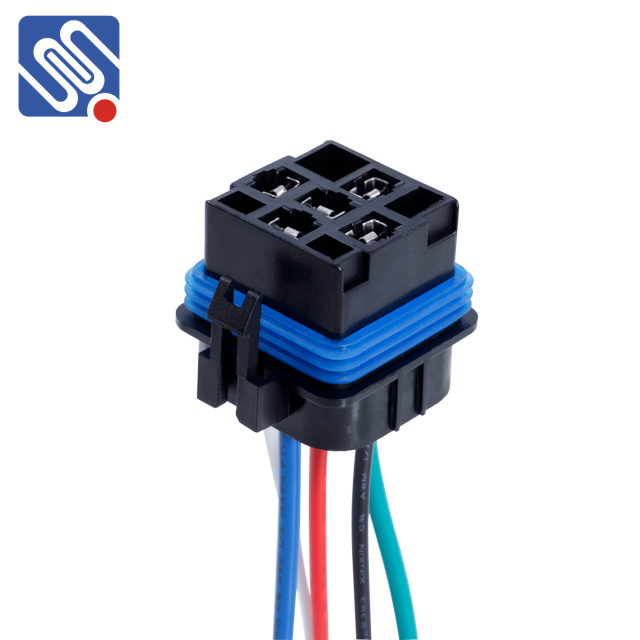
What are Relay Connectors? Relay connectors, as the name suggests, are specialized connectors used to link relays with other electrical components or systems. A relay, which is essentially an electrical switch that uses an electromagnet to open or close contacts, requires a reliable connector to interface with the controlling circuit, power supply, and load. These connectors ensure that the electrical current flows efficiently from one component to another, allowing the relay to perform its switching function with minimal resistance or loss. The design of relay connectors varies according to the type of relay they are paired with. They typically consist of multiple pins or terminal points to accommodate different wiring configurations. The connectors are designed to be compatible with specific relay types, ensuring that they can handle the current and voltage levels required for proper operation.