A 12V 30A Relay is a highly useful electronic component, designed to control high-power electrical circuits through a low-voltage control signal. It serves as a bridge between a small, low-voltage circuit (such as a microcontroller or automobile control system) and a high-power load (such as a motor or lighting system). These relays are widely used in applications ranging from automotive to industrial machinery, offering a reliable solution for switching heavy electrical loads with ease.
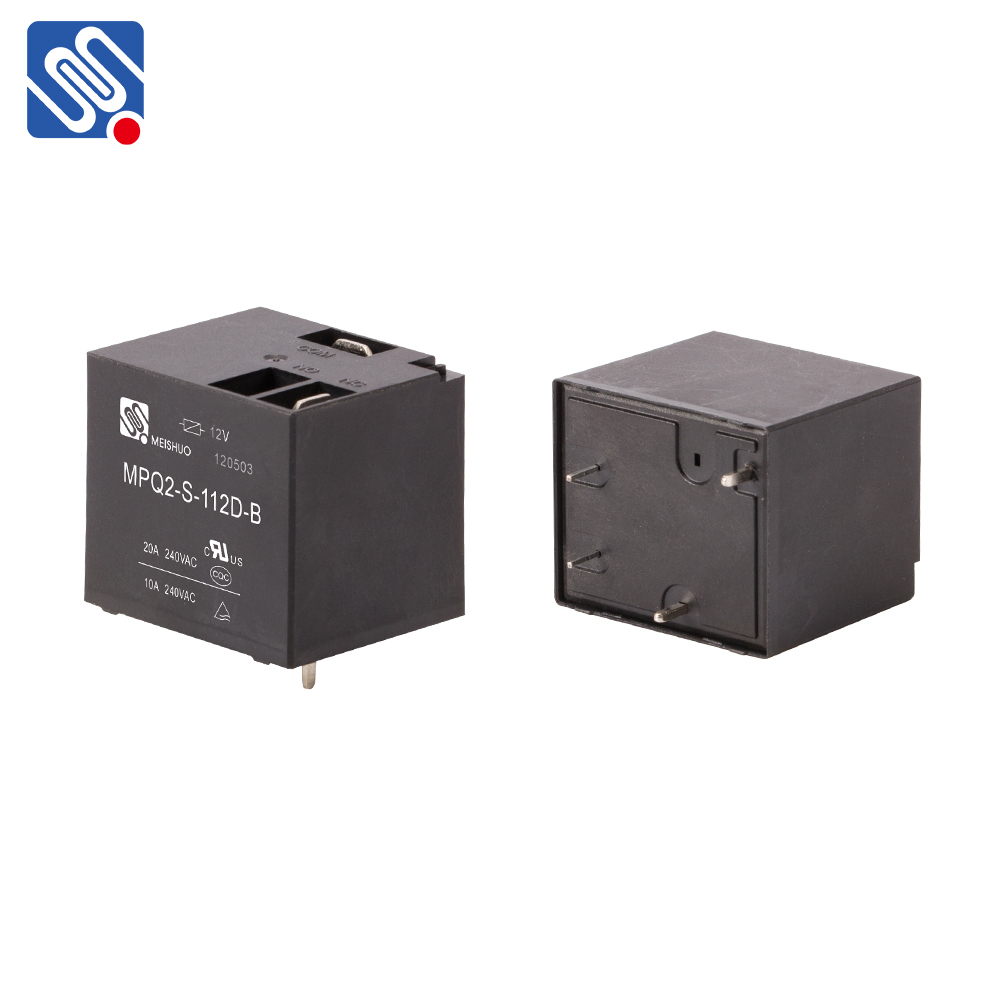
What is a 12V 30A Relay? A relay is an electrically operated switch that uses an electromagnet to mechanically open or close a set of contacts. The 12V 30A Relay specifically operates on a 12-volt DC signal to control high-current devices, typically up to 30 amperes. The 12V refers to the voltage required to activate the relay’s coil, while the 30A rating indicates the maximum current the relay’s contacts can safely handle when closing or opening an electrical circuit. How Does a 12V 30A Relay Work? The operation of a relay is based on electromagnetism. When the 12V control voltage is applied to the relay’s coil, it generates a magnetic field that attracts an armature. This armature is connected to a set of contacts that either open or close, depending on the relay’s configuration (typically NO – Normally Open, or NC – Normally Closed).