A relay control system is an integral part of modern automation and industrial control systems. It uses relays, which are electrical switches, to control the flow of electricity in a circuit based on an input signal. This system offers a simple, yet highly effective way to automate processes, manage power distribution, and ensure the safe operation of various devices. In this article, we will explore how relay control systems work, their applications, and their importance in both industrial and residential settings.
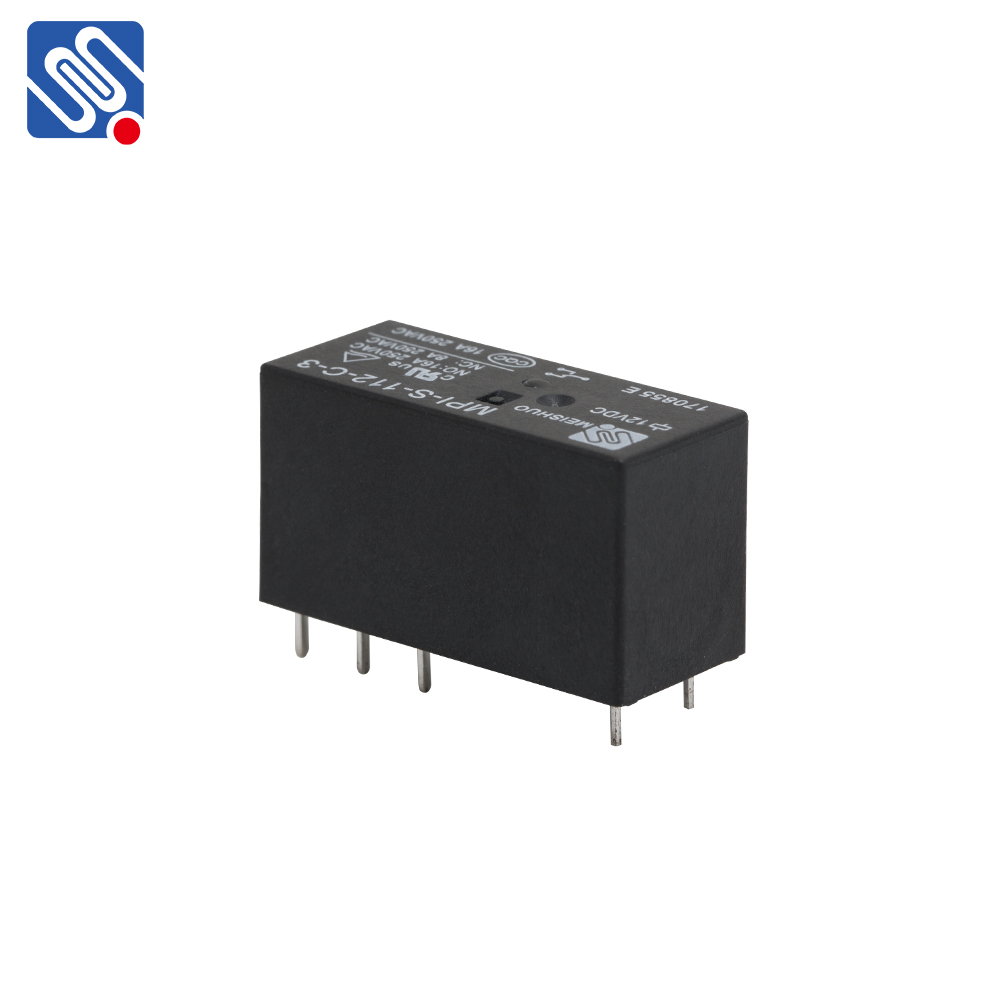
What is a Relay Control System? A relay control system is designed to control the switching of electrical devices through relays. A relay is an electrically operated switch that opens or closes its contacts in response to a control signal. This signal could be as simple as a voltage pulse or could come from sensors detecting physical parameters such as temperature, pressure, or motion. The primary function of a relay control system is to automate the operation of electrical devices. In essence, a relay acts as an intermediary between a low-power control circuit and a high-power load circuit. This allows small control systems, such as microcontrollers or sensors, to control large electrical devices like motors, lights, and industrial machinery without direct electrical interaction.