In the modern industrial landscape, the safety of machinery and personnel is paramount. Among the various devices that ensure this safety, the Siemens Safety Relay stands out as a vital component in industrial automation and control systems. This article aims to explore the functionality, advantages, applications, and technical features of Siemens Safety Relays, emphasizing their significance in creating safe working environments.
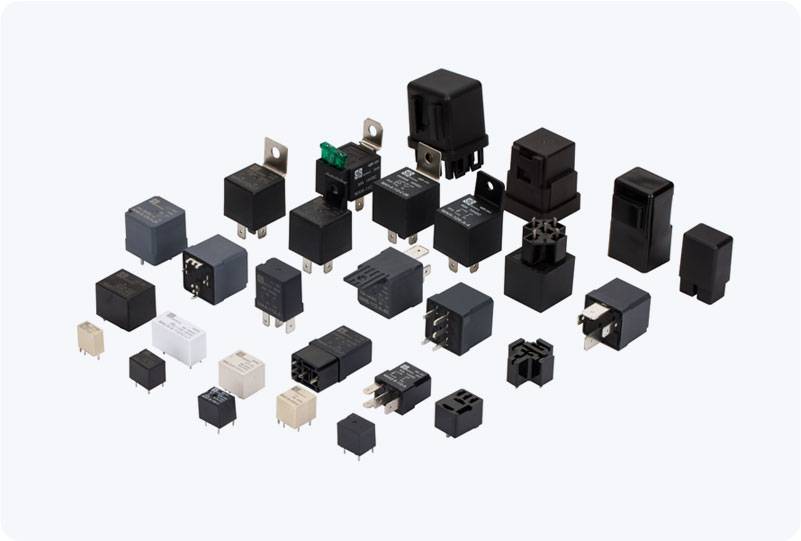
What is a Siemens Safety Relay? A Siemens Safety Relay is an automatic device designed to monitor safety circuits and ensure that operational hazards are minimized. Its primary role is to detect failures in machinery, safety switches, emergency stop buttons, light curtains, and other safety devices that are part of an industrial setup. When a fault is detected, the safety relay acts swiftly to cut off power or trigger other safety mechanisms, preventing potential accidents or injuries. Importance of Safety Relays in Industry With strict safety regulations in place globally, industries are mandated to implement safety technologies that protect workers and equipment. Siemens Safety Relays adhere to various international safety standards, such as IEC 61508 and ISO 13849, which outline the requirements for safety-related control systems. These standards ensure that the relays function reliably, reducing the risk of accidents and improving overall safety in workplaces.
Leave a Reply