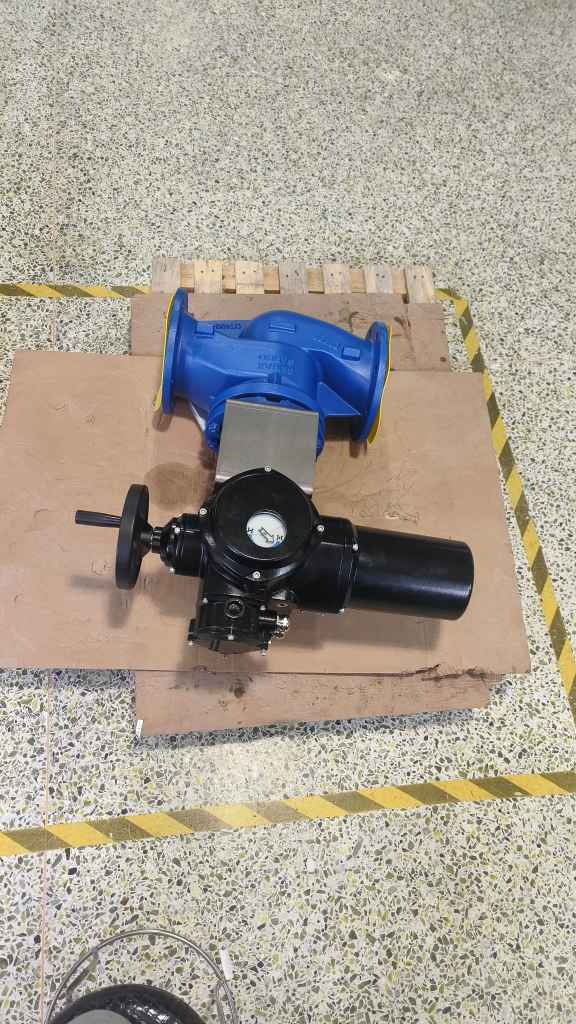
Hydrogen energy is increasingly recognized as a promising solution for clean energy, with applications spanning from fuel cells in vehicles to large-scale energy storage systems. As hydrogen plays a central role in the transition toward a sustainable future, ensuring the safe and efficient handling of hydrogen gas becomes paramount. One of the critical components in hydrogen energy systems is the Hydrogen Energy Electric Shut-Off Valve. This article explores the importance, function, and benefits of these valves in hydrogen systems, highlighting their role in enhancing safety and operational efficiency.
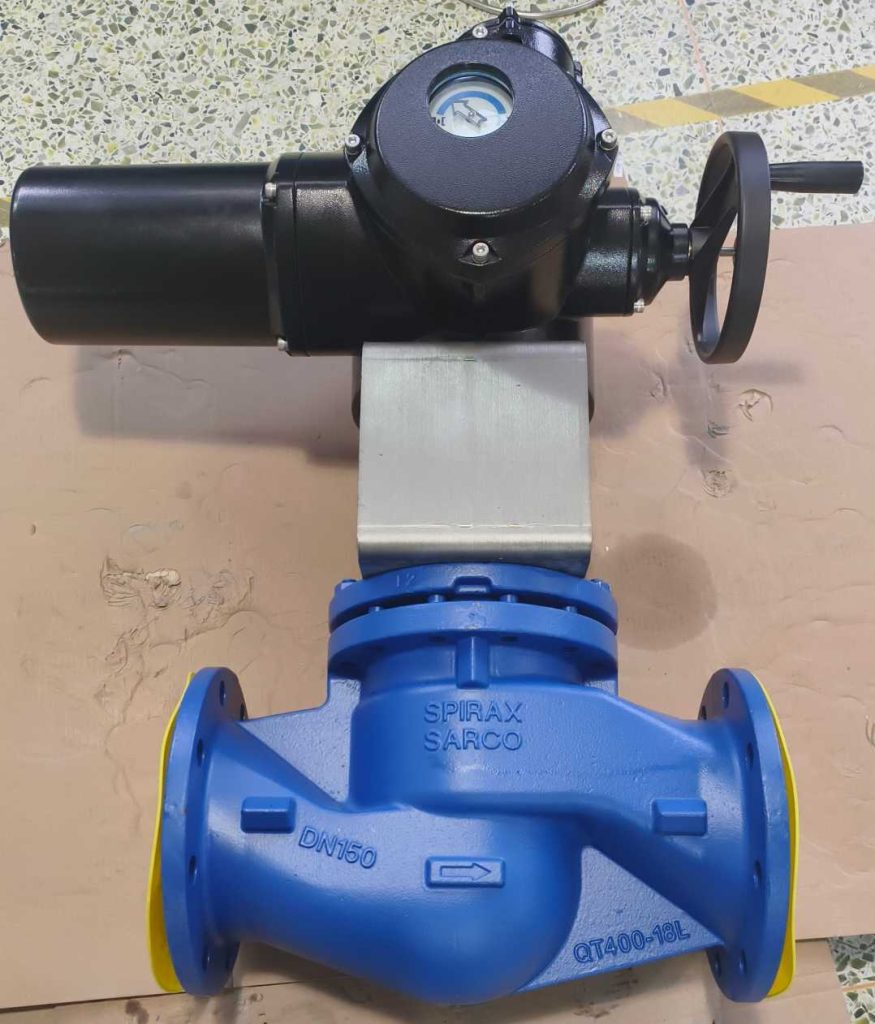
Introduction to Hydrogen Energy Electric Shut-Off Valves
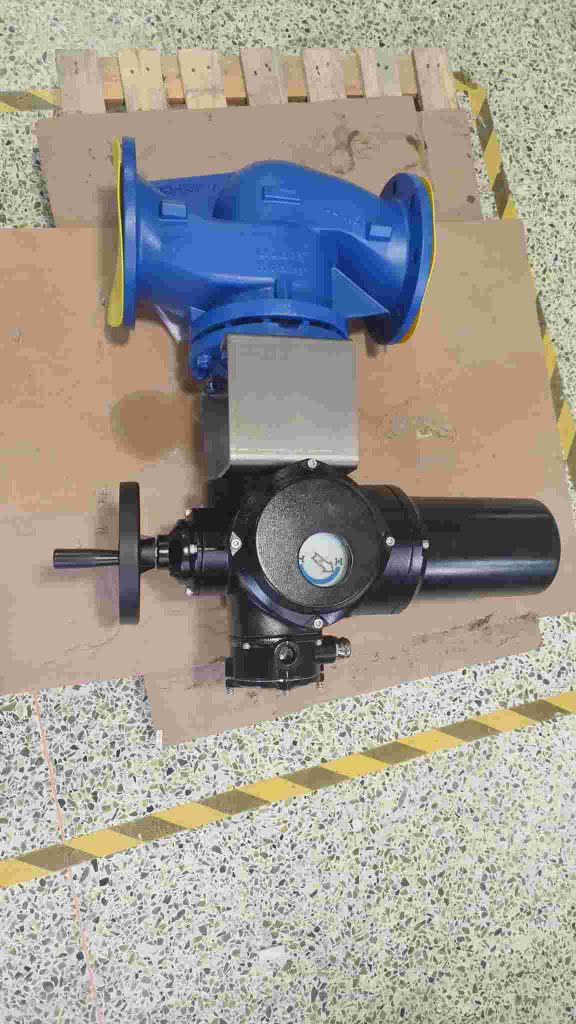
A Hydrogen Energy Electric Shut-Off Valve is a safety device used to control the flow of hydrogen gas within hydrogen energy systems. These valves are electrically actuated, meaning they can be remotely controlled to open or close, providing an automated solution for regulating the flow of hydrogen gas. They are primarily used to shut off or isolate sections of the hydrogen system in the event of a leak, fire, or malfunction, thus preventing the release of hydrogen into the environment. As hydrogen is highly flammable, such valves play a crucial role in ensuring the safety of hydrogen storage, transport, and consumption processes.