The pneumatic ball valve is a vital component in numerous industrial applications, representing a reliable and efficient solution for controlling fluid flow. With a combination of advanced design and operational efficiency, these valves are essential in various sectors, including oil and gas, water treatment, chemical processing, and food production. This article will explore the features, advantages, applications, and maintenance of pneumatic ball valves.
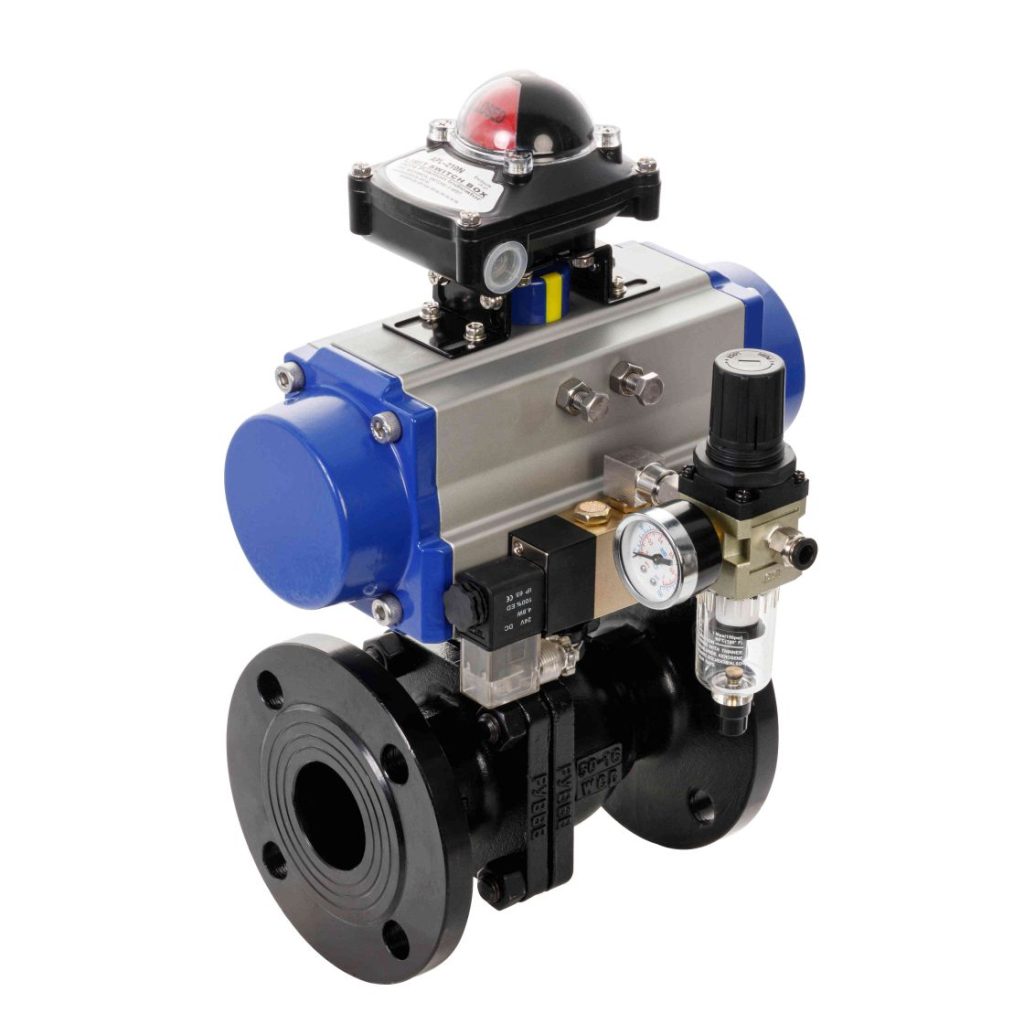
What is a Pneumatic Ball Valve?
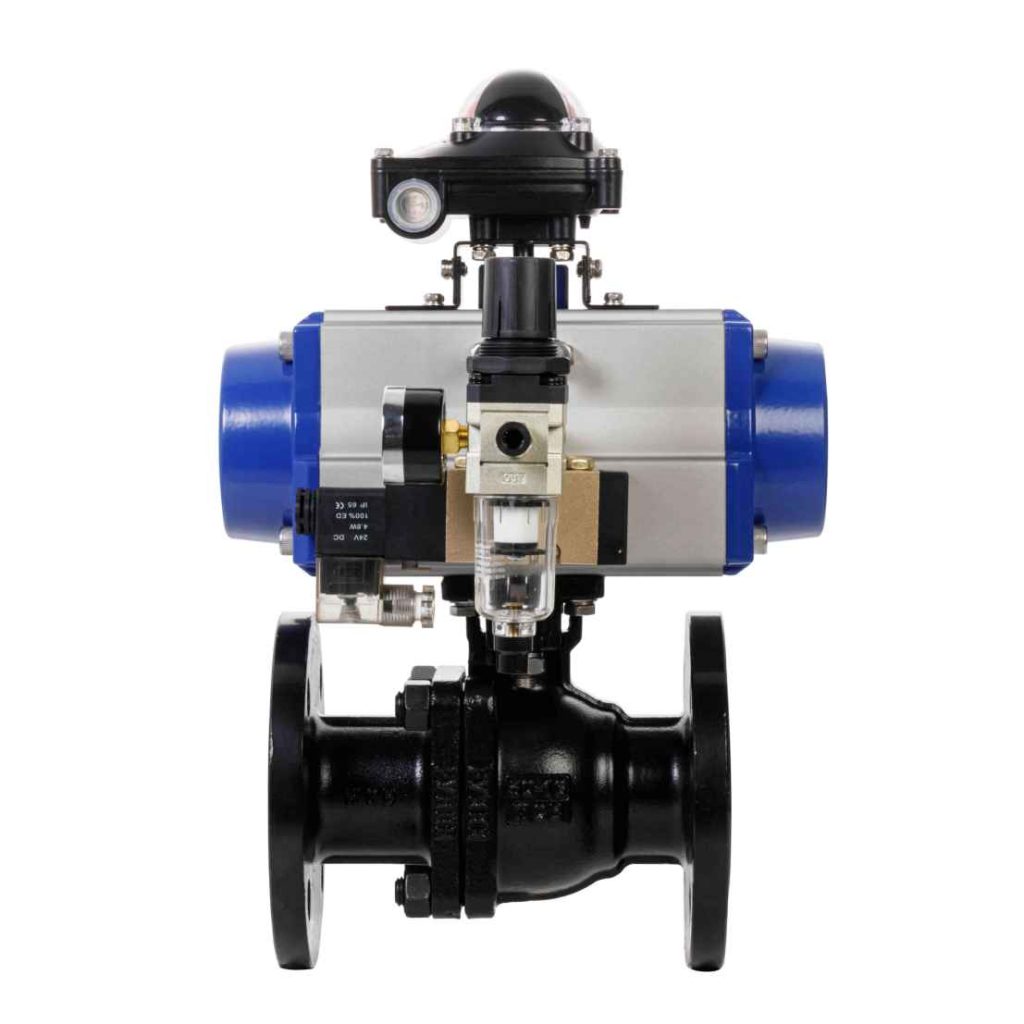
A pneumatic ball valve is a type of quarter-turn valve that utilizes a spherical disc to control the flow of fluids. The spherical disc, or “ball,” has a hole through the center, which allows for fluid flow when aligned with the pipeline and stops the flow when perpendicular to it. These valves are operated using compressed air, which is directed to pneumatic actuators connected to the valve.
Key Features of Pneumatic Ball Valves Material Composition: Pneumatic ball valves are available in various materials, including stainless steel, brass, carbon steel, and plastic. The choice of material often depends on the application’s specific requirements, such as temperature tolerance and resistance to corrosion.
