The High Voltage DC Main Relay is a critical component in various industries, particularly those dealing with high-voltage direct current (DC) systems. Its role is pivotal in controlling the flow of electrical power by switching circuits on and off, ensuring both functionality and safety in applications such as electric vehicles (EVs), renewable energy systems, and industrial machinery. This article explores the importance, functionality, and application of High Voltage DC Main Relays in modern electrical systems.
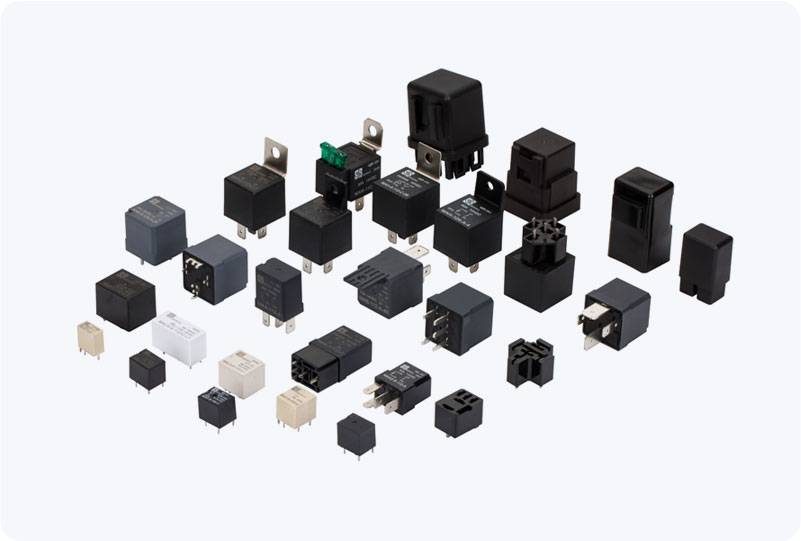
What is a High Voltage DC Main Relay? A High Voltage DC Main Relay is a type of electrical switch designed to control high-voltage direct current circuits. Unlike traditional relays, which handle alternating current (AC), these relays are specifically engineered to manage DC power. They are designed to withstand the higher voltages and currents associated with DC circuits, ranging from hundreds to thousands of volts. Due to the characteristics of DC, the relay must also be capable of handling the challenges of switching and maintaining the electrical integrity of the system, especially since DC circuits tend to create electric arcs when interrupted.