Understanding Lockout/Tagout Locks: A Crucial Safety Measure in Industrial Environments
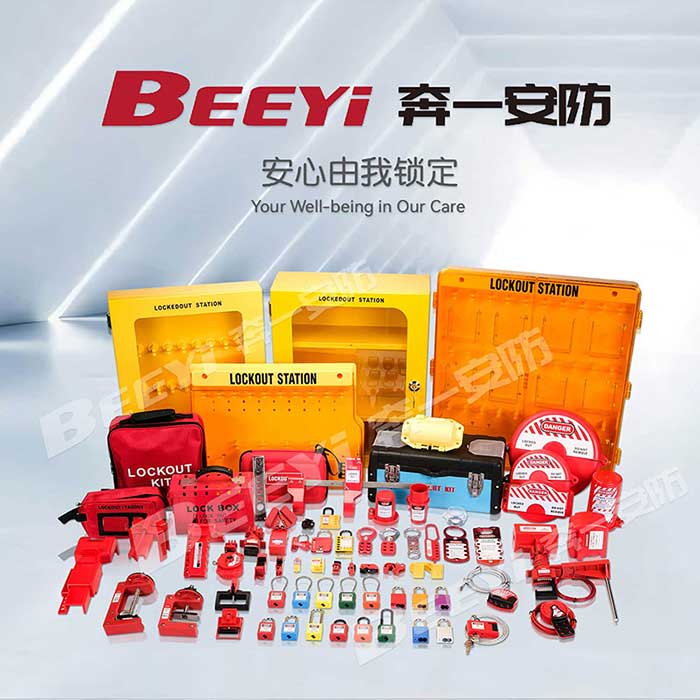
Lockout/Tagout (LOTO) locks play a critical role in maintaining safety in workplaces where hazardous energy sources pose risks to workers. In industries that deal with machinery, electrical systems, and heavy equipment, it is vital to ensure that all equipment remains inactive during maintenance or repair processes. LOTO locks are integral to this process, serving as both physical barriers and visual warnings. This article explores the importance of LOTO locks, how they work, and why they are essential for ensuring worker safety in high-risk environments. What is Lockout/Tagout (LOTO)? Lockout/Tagout refers to a safety procedure used to prevent the accidental release of hazardous energy during equipment maintenance or repair. The procedure involves the use of locks and tags to physically isolate energy sources, making it impossible for equipment to be energized or restarted while it is being worked on. The “lockout” part involves physically locking the equipment’s energy-isolating devices (such as valves or circuit breakers) to prevent accidental activation, while “tagout” refers to placing a warning tag on the equipment to indicate that it is under maintenance and should not be operated.