With the global shift towards electric vehicles (EVs), one of the key challenges is the development of fast and efficient charging infrastructure. DC fast charging (DCFC) plays a vital role in reducing charging times and promoting the adoption of EVs. At the heart of a DC fast charging system lies the DC Fast Charging Relay—an essential component that ensures the safe and efficient transfer of high power to electric vehicles. This article explores the function, importance, and key features of the DC Fast Charging Relay in modern electric vehicle charging stations.
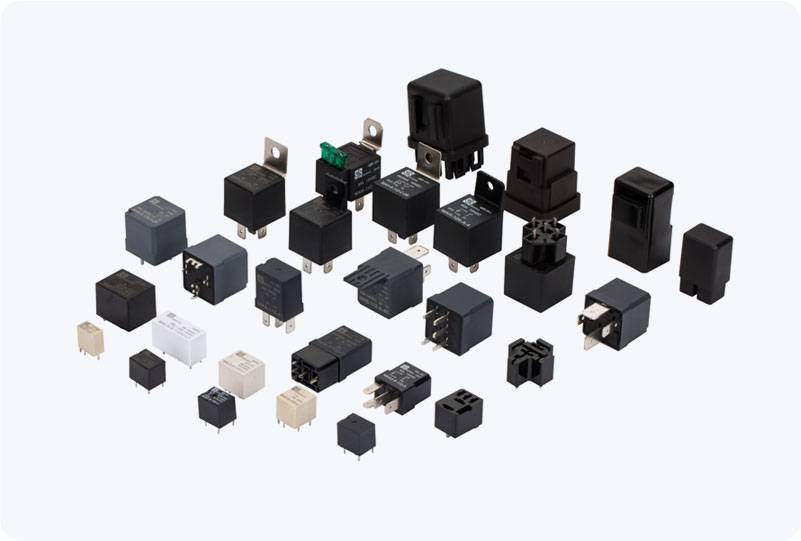
What is a DC Fast Charging Relay? A DC Fast Charging Relay is an electrical device used in the charging process of electric vehicles, specifically in systems that use direct current (DC) to quickly charge the vehicle’s battery. Unlike traditional AC charging, which is slower and more commonly found in residential setups, DC fast charging delivers high voltage and high current directly to the vehicle’s battery, significantly reducing the time required to charge. The DC Fast Charging Relay is a critical component in these systems, responsible for managing the flow of electricity and ensuring the safety of both the vehicle and the charging infrastructure.