A Silver Alloy Contact Relay is a type of electrical relay that features silver alloy as the material for its contact points. These relays are widely used in various electronic and electrical systems for switching applications, as they provide high reliability, excellent conductivity, and long-lasting performance. The combination of silver and other metals in the alloy enhances the properties of the relay’s contacts, making them suitable for use in both low- and high-current environments. This article explores the essential features, benefits, and applications of silver alloy contact relays, as well as some challenges associated with their use.
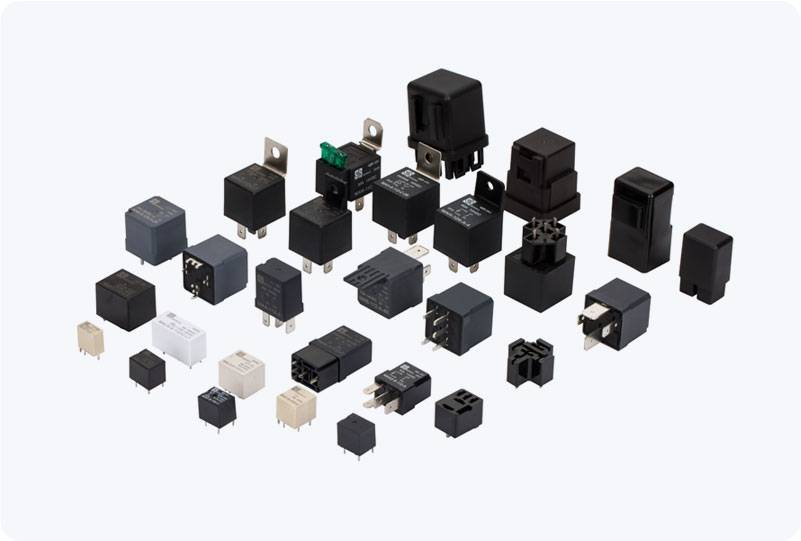
Key Features of Silver Alloy Contact Relays Composition of Silver Alloy Contacts Silver alloy contact relays derive their name from the silver alloy used in the contact points of the relay. The contact material is typically composed of silver (Ag) combined with other metals such as copper, nickel, or tin. This alloy mixture serves to improve the conductivity of the contact while also enhancing its mechanical and chemical properties. The use of silver allows the relay to handle higher currents efficiently without compromising performance. Electrical Conductivity One of the standout features of silver alloy contacts is their excellent electrical conductivity. Silver is one of the best conductors of electricity, and when it is alloyed with other metals, it retains most of its electrical properties. This makes silver alloy contact relays highly effective in systems where rapid and efficient current transfer is crucial. The low contact resistance of silver alloy helps reduce power loss, leading to improved energy efficiency in the relay’s operation.