A Normally Open Solenoid Valve (NOSV) plays a pivotal role in controlling fluid flow within various industrial systems. As a component of fluid and gas control systems, it provides both reliability and efficiency in automation processes. Unlike its counterpart, the Normally Closed Solenoid Valve (NCSV), the NOSV remains open when it is not energized, allowing fluid to pass freely. When the solenoid is activated, the valve closes, blocking the flow. This unique characteristic of the NOSV makes it suitable for a variety of applications where fluid needs to be controlled in an on-demand manner, making it essential in numerous industries such as automation, manufacturing, and HVAC systems.
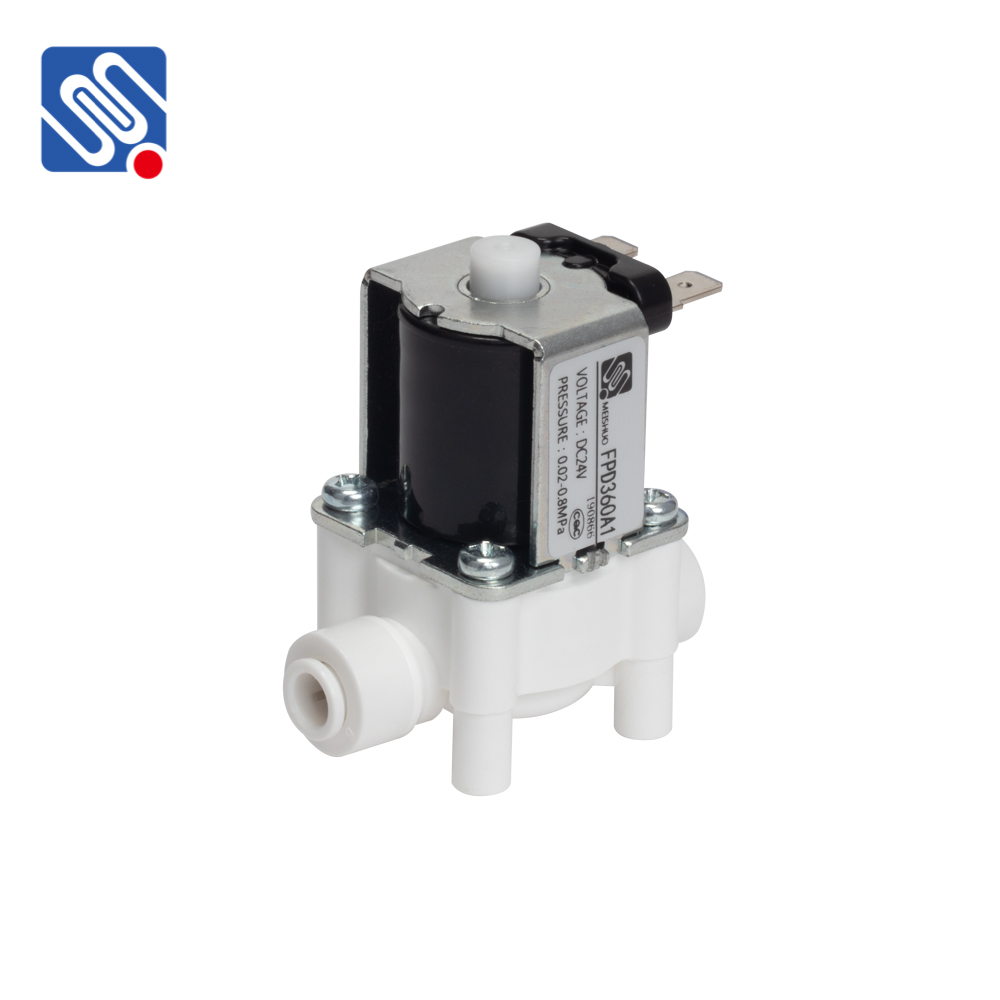
How a Normally Open Solenoid Valve Works The operation of a Normally Open Solenoid Valve is based on the interaction between an electromagnetic coil and a movable valve mechanism. When the coil is de-energized (i.e., no current is passing through it), the valve remains in the open position due to spring tension or other mechanical means. As a result, fluid or gas can flow freely through the valve. When the solenoid is energized by an electric current, the magnetic field generated pulls the valve mechanism to a closed position, thereby obstructing the flow of fluid. This change occurs within milliseconds, providing a precise and quick response to changes in the system. After the electrical current is turned off, the valve reverts to its default state, allowing fluid to pass again.