Relay technology plays a pivotal role in modern electrical and automation systems. From controlling household appliances to enabling complex industrial automation processes, relays act as the unsung heroes of many devices and systems. In simple terms, a relay is an electrically operated switch that allows low-voltage control circuits to manage high-voltage systems. This versatile technology is foundational in both everyday devices and critical industrial applications.
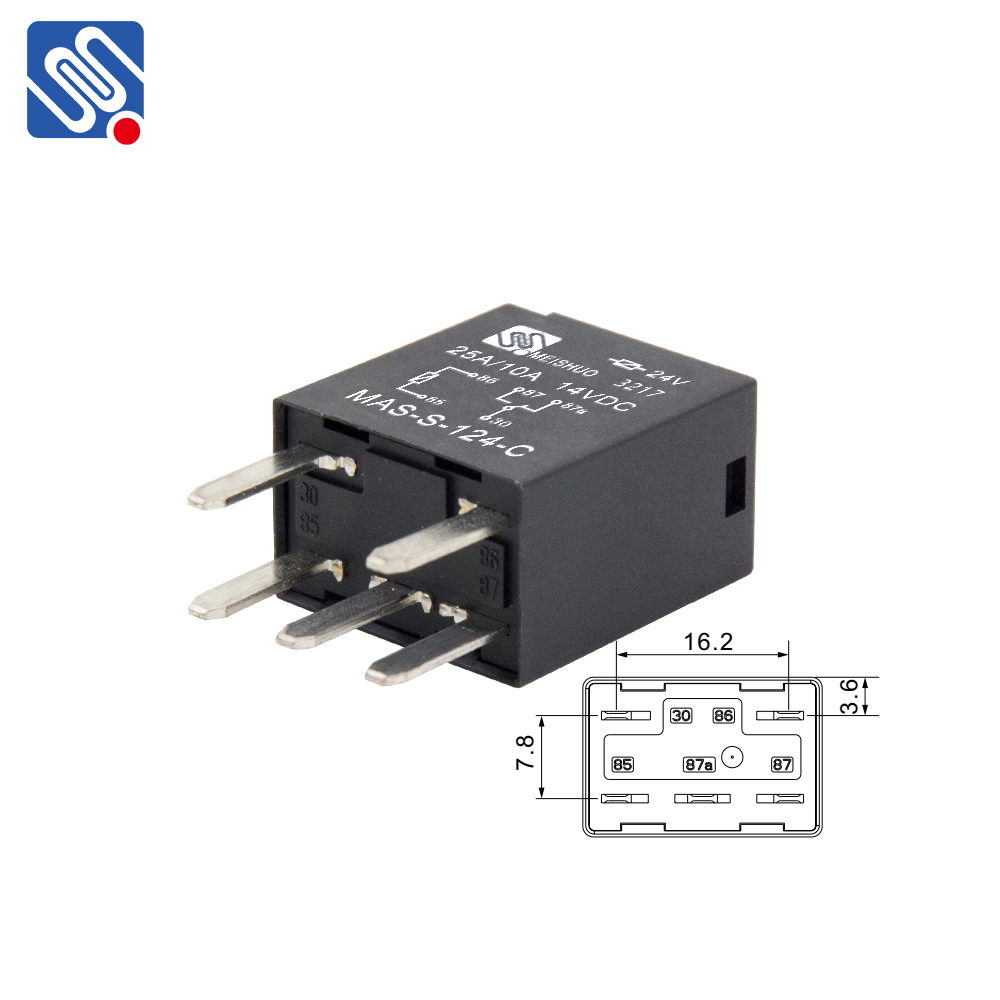
What is Relay Technology? At its core, a relay is a switch that opens or closes a circuit when triggered by an electrical signal. This electrical signal can be as small as a few milliamps, but the relay can switch much larger currents—often in the range of hundreds or thousands of amps. This makes relays an ideal solution for controlling high-power devices like motors, lights, or other heavy machinery from a distance with minimal electrical input. Relays work based on the principle of electromagnetism. When an electrical current passes through a coil inside the relay, it generates a magnetic field that attracts a lever or arm, physically changing the position of the relay’s contacts. When the magnetic field is removed (i.e., when the electrical signal is turned off), the lever returns to its original position, switching the circuit off. This operation can occur in milliseconds, allowing for very fast and precise control.