Bistable relays, also known as latching relays or bistable switches, are unique electromagnetic devices that have gained significant attention in various electrical and electronic applications. Unlike traditional relays that require continuous power to maintain their state, bistable relays can hold their position without a constant power supply. This distinctive characteristic is particularly useful in systems where power efficiency and reliability are paramount.
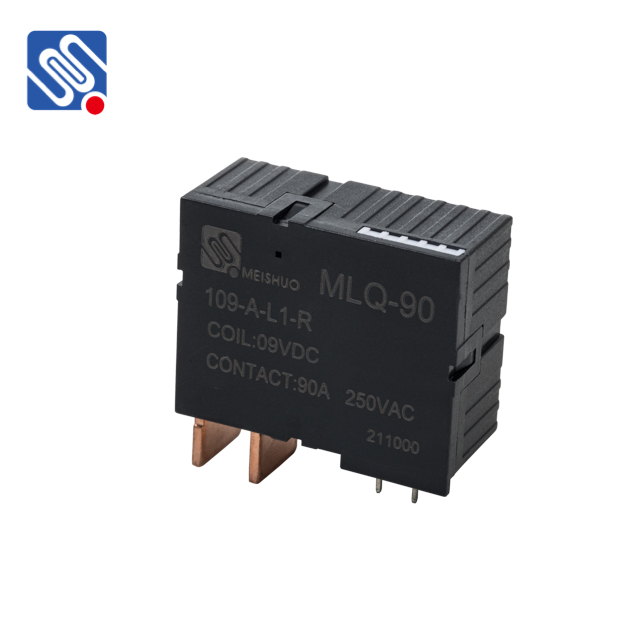
Functionality of Bistable Relay A bistable relay operates using a mechanism that allows it to exist in one of two stable states, which can be toggled through the application of electrical pulses. Essentially, there are two coils in a bistable relay: one for each state. When a pulse is applied to the first coil, it shifts the relay from its current state to the opposite state. Conversely, applying a pulse to the second coil will switch it back to the original state. This “flip-flop” behavior means that a bistable relay can maintain its position even when the power supply is disconnected, making it a crucial element in many applications.