Electrical safety is one of the most crucial aspects in any workplace, particularly in industries that deal with high-voltage systems or complex electrical machinery. One of the most effective ways to protect workers and ensure compliance with safety regulations is through the use of electrical equipment lockouts. These devices are essential in preventing accidental energizing of equipment during maintenance or repair. In the world of manufacturing and distribution, private labeling has become a popular method for companies to offer these crucial safety devices under their own brand name. This article explores the concept of Electrical Equipment Lockouts Private Label, focusing on their importance, features, and benefits.
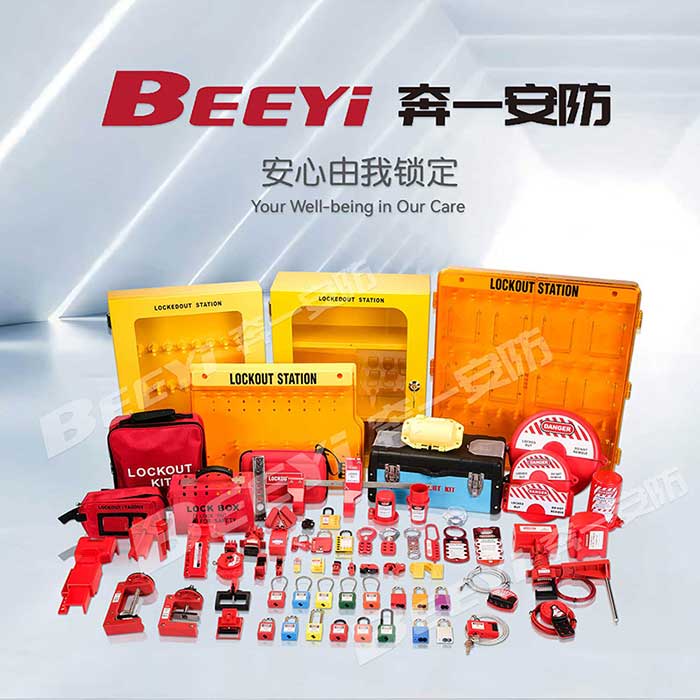
What Are Electrical Equipment Lockouts? Electrical equipment lockouts are safety devices designed to physically block or isolate electrical systems from being powered up during maintenance, repair, or installation. These devices are a vital component of a safety protocol known as Lockout/Tagout (LOTO), which is a practice that ensures that dangerous machines or energy sources are properly shut down and cannot be turned back on until maintenance is complete and the work area is clear. These lockouts prevent accidental machine startups, which could lead to serious injuries or fatalities. Lockouts typically come in the form of mechanical locks, hasps, tags, or combination devices, each designed to secure specific electrical equipment such as switches, breakers, valves, and electrical panels. The key purpose of these tools is to prevent unauthorized operation of equipment by locking out power sources until maintenance workers can complete their tasks safely.