In any industrial environment, safety is a top priority. One of the most essential safety practices used in industries such as manufacturing, energy, and construction is the Tagout system. The Tagout procedure, often associated with Lockout/Tagout (LOTO), plays a crucial role in safeguarding workers when they are servicing or maintaining machines and equipment. It is a simple but highly effective method of ensuring that machines do not accidentally start while being worked on, preventing injuries or fatalities. This article explores the importance of Tagout, its implementation, and the benefits it brings to industrial safety.
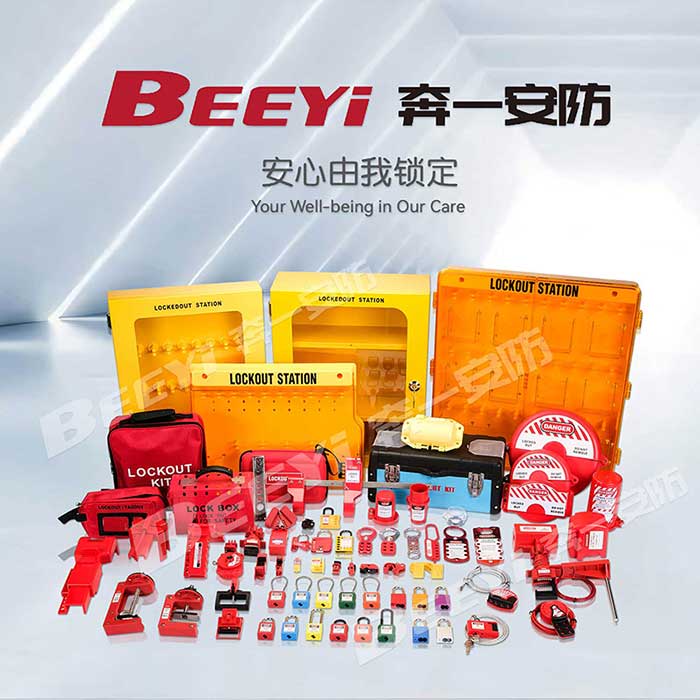
What is Tagout? Tagout refers to the practice of placing a warning tag on machines, equipment, or energy-isolating devices during maintenance or repair work. These tags act as a visual signal that indicates the equipment is under maintenance and should not be operated. Unlike Lockout, which involves physically locking out energy-isolating devices, Tagout uses warning tags to alert workers and others in the vicinity that the equipment is off-limits. While the tag itself does not physically prevent the operation of the equipment (which is the role of Lockout), it serves as a critical reminder that someone is working on the machine. The tag usually includes information such as the name of the worker performing the maintenance, the reason for the shutdown, and the time the work is being carried out.