Hydraulic systems are integral to many modern machines, ranging from heavy machinery and construction equipment to automotive applications. At the heart of these systems lies a crucial component: the hydro valve. Hydro valves, or hydraulic valves, play a vital role in controlling the flow, pressure, and direction of hydraulic fluid, thereby ensuring efficient and controlled operation of machinery. This article explores the functions, types, applications, and importance of hydro valves in hydraulic systems.
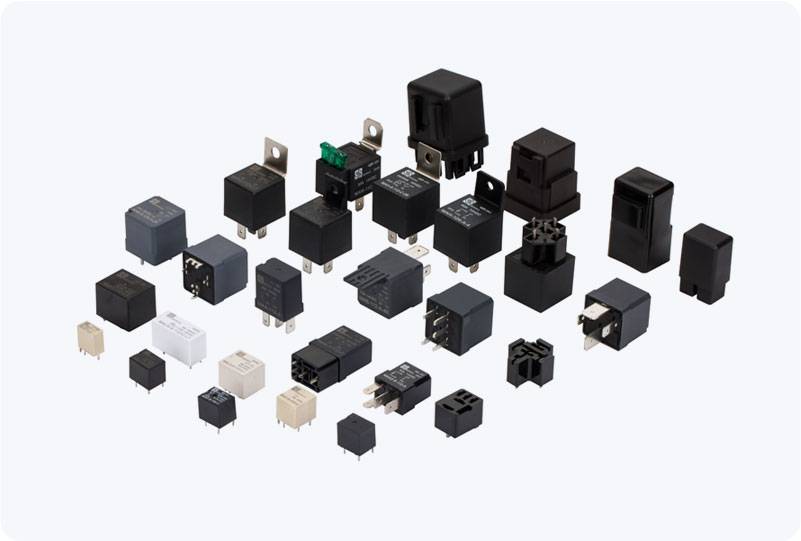
What is a Hydro Valve? A hydro valve is a device used in hydraulic systems to control the flow, pressure, or direction of hydraulic fluid. These valves act as gatekeepers within a hydraulic system, managing how fluid moves through pipes and cylinders, which ultimately drives various mechanical operations. By adjusting the flow and pressure of the fluid, hydro valves help regulate the force and speed of the machinery, ensuring smooth and safe operation. Key Functions of Hydro Valves Hydro valves serve three main functions in hydraulic systems: flow control, pressure control, and directional control. Let’s delve into each of these: