Lockout/Tagout (LOTO) padlocks play a crucial role in ensuring the safety and security of workers in industrial and manufacturing environments. These specialized locks are used in the lockout/tagout procedures, which are designed to prevent the accidental release of hazardous energy during maintenance, repair, or service activities. By isolating energy sources and preventing machines from being inadvertently activated, lockout/tagout padlocks provide a vital layer of protection for employees. This article will explore the importance, features, and applications of lockout/tagout padlocks and how they contribute to a safer workplace.
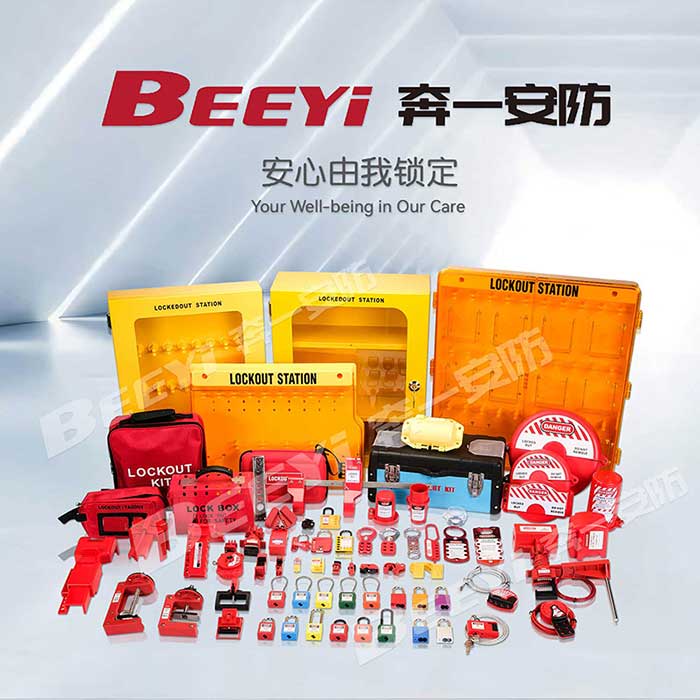
What Are Lockout Tagout Padlocks? Lockout/tagout (LOTO) is a safety protocol used to control hazardous energy during the maintenance or servicing of equipment. LOTO padlocks are essential components of this procedure. These padlocks are typically made of durable materials and are designed to securely lock a machine’s energy-isolating devices—such as circuit breakers, valves, or switches—to ensure that the equipment remains inoperable while it is being worked on. Tagout involves attaching a tag to the lock that provides critical information about the status of the equipment, such as the name of the person performing maintenance and the time of the lockout.