In the world of industrial automation, efficient and reliable control of machinery is paramount. Automation Relay plays a critical role in ensuring that these systems function smoothly by facilitating automated control over electrical circuits. This article delves into the importance, functions, and various types of automation relays that are integral to modern automation systems.
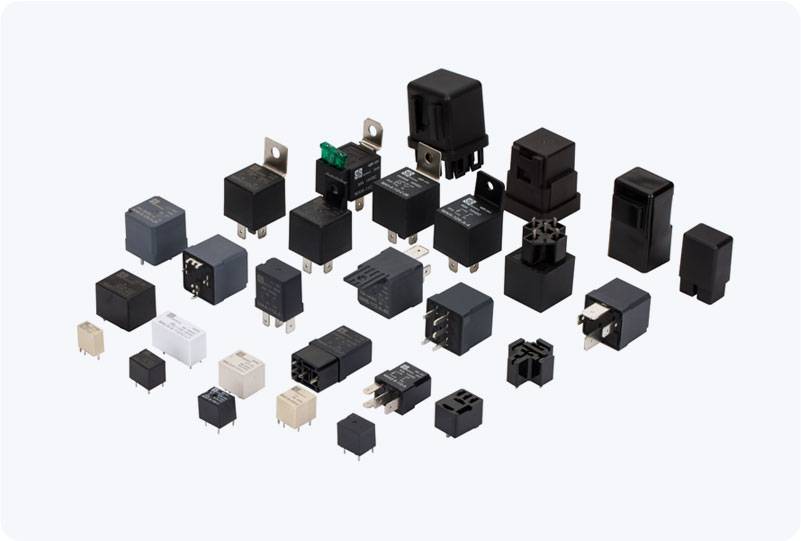
What is an Automation Relay? An Automation Relay is an electromechanical device used to control electrical circuits automatically. It acts as an intermediary that receives signals from a control system (such as a PLC or sensor), processes these inputs, and subsequently switches the connected electrical components on or off. This mechanism enables automation of machines, reducing the need for manual intervention and increasing the efficiency and safety of industrial operations. Relays are widely used in a variety of automation tasks, from controlling machinery to protecting electrical circuits from overloads and faults. Without relays, the complexity of managing multiple machines and electrical systems would be difficult to handle, especially in environments that require real-time responses.