The Battery Main Positive Relay plays a pivotal role in modern electrical systems, particularly in vehicles, energy storage systems, and other high-power applications. This relay serves as a crucial component that controls the flow of electrical energy between the battery and the rest of the system, providing not only operational efficiency but also safety. Understanding how the Battery Main Positive Relay functions, its various applications, and the importance it holds can help both engineers and users optimize their electrical systems for greater performance and longevity.
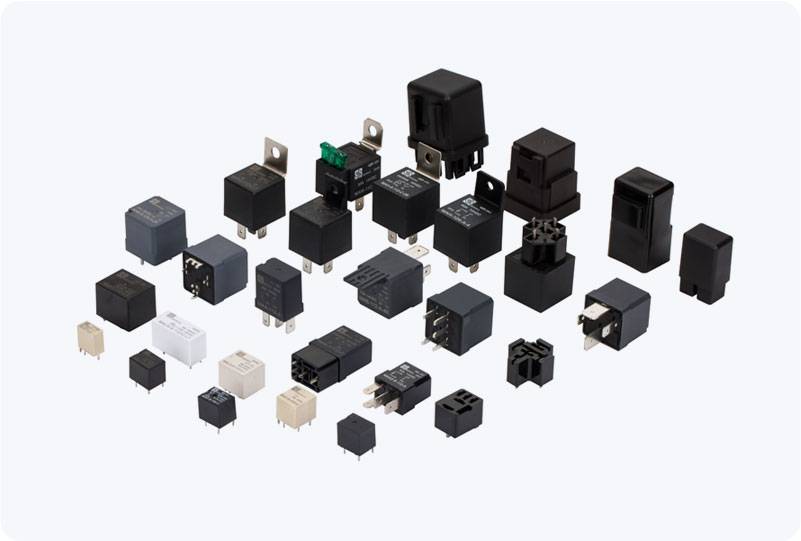
What is a Battery Main Positive Relay? A Battery Main Positive Relay is an electromechanical device used to manage the main positive connection between the battery and the rest of the electrical system. This relay allows or interrupts the flow of power by opening or closing the main positive circuit. It is typically placed between the positive terminal of a battery and the rest of the electrical system, acting as a switch that either connects or disconnects the power supply. In essence, this relay controls the charging and discharging of the battery, ensuring that energy is efficiently routed to where it is needed while also preventing unnecessary drain when the system is not in operation. It is most commonly used in vehicles, energy storage systems, and uninterruptible power supplies (UPS), where battery management is crucial for operational safety and energy efficiency.