The 1000V DC main relay is a crucial component in high-voltage direct current (HVDC) systems, providing the necessary protection and control for electrical equipment that operates at elevated voltages. As electrical systems evolve and incorporate more renewable energy sources, such as solar power and electric vehicle charging stations, the demand for robust and reliable relays capable of handling high DC voltages is growing. This article explores the importance, function, and applications of the 1000V DC main relay in modern electrical systems.
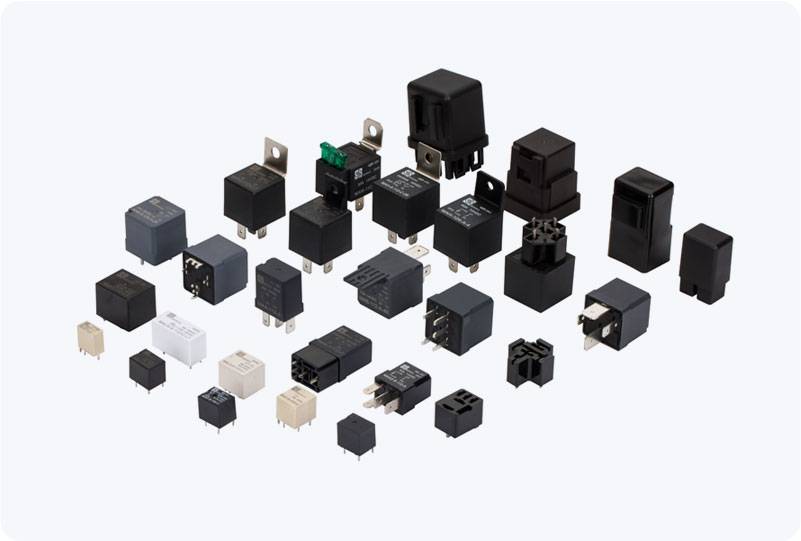
What is a 1000V DC Main Relay? A 1000V DC main relay is an electromechanical switch designed to control the flow of electrical current in high-voltage direct current circuits. It is capable of operating under DC voltages up to 1000V, which is significantly higher than the typical 12V or 24V used in smaller systems. These relays are essential in applications where power needs to be efficiently and safely switched on and off in high-voltage DC circuits, such as in solar energy systems, electric vehicles, and HVDC transmission lines. Unlike alternating current (AC) circuits, where the current naturally alternates direction and passes through zero, DC circuits carry a constant unidirectional flow of electricity. This characteristic makes switching DC circuits more challenging, as the current does not naturally extinguish, leading to the potential for dangerous electrical arcing. Therefore, a 1000V DC relay must be designed with specific features to handle these challenges.
Leave a Reply