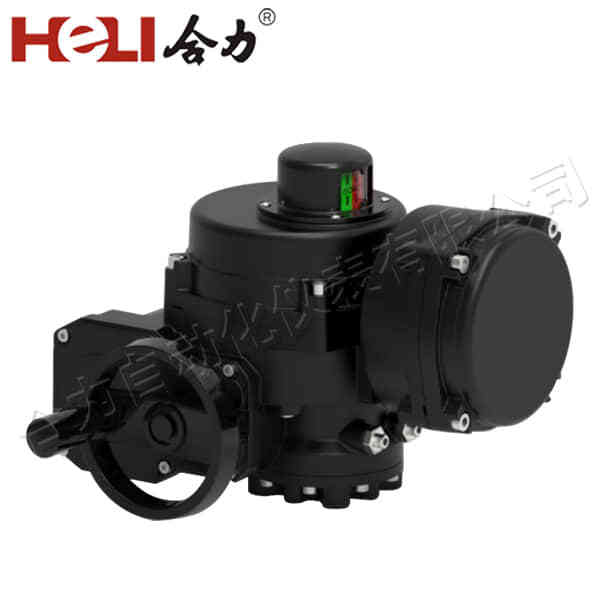
In the rapidly evolving world of automation, the electric actuator has emerged as a key player in a variety of industries. By converting electrical energy into mechanical motion, electric actuators serve as the driving force behind many automated systems, enhancing efficiency and precision across a range of applications. This article delves into the mechanics, applications, and advantages of electric actuators, highlighting their importance in the modern industrial landscape.
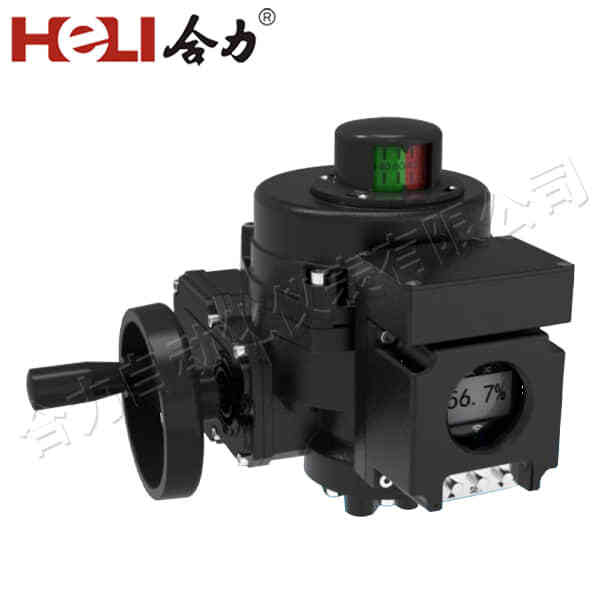
What is an Electric Actuator?
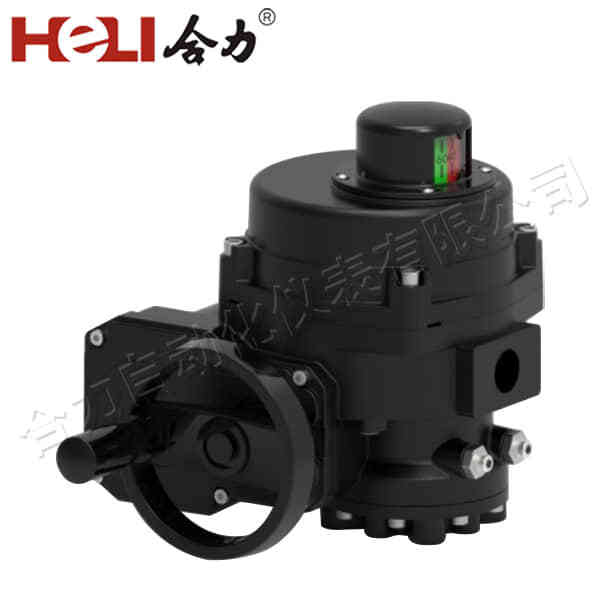
An electric actuator is a device that uses electric power to produce a mechanical output. It is essentially a machine that turns electrical energy into linear or rotary motion. Electric actuators are commonly used in systems that require precise control of motion, such as in automated manufacturing, robotics, HVAC systems, and even automotive applications. The key components of an electric actuator typically include an electric motor, a gearbox, and a mechanical link that converts the motor’s rotation into the desired motion. Types of Electric Actuators Electric actuators are available in various forms, each suited to different types of motion and applications: