Low Power Communication Relay (LPCR) has emerged as a key enabler in the world of wireless communication, especially in applications where energy efficiency and long-range communication are paramount. In recent years, with the advent of the Internet of Things (IoT), wireless sensor networks, and other distributed systems, the need for reliable and low-power communication technologies has become more significant. LPCR devices play an essential role in addressing these challenges, offering a solution that extends the communication range while minimizing energy consumption.
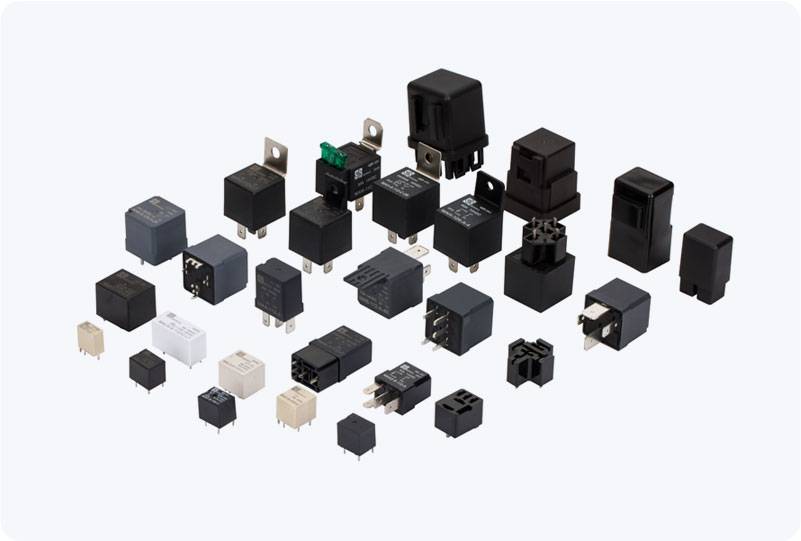
The Concept of Low Power Communication Relay At its core, a Low Power Communication Relay is a device that receives a wireless signal from a source node and then retransmits it to a destination node. This mechanism extends the communication range, allowing data to be transmitted over longer distances without the need for additional power-hungry infrastructure. The relay operates on a low-energy consumption model, making it an ideal solution for devices that need to operate for extended periods, often on battery power. LPCR is an essential component in systems such as IoT networks, remote environmental monitoring, and sensor-based applications. These systems often rely on battery-powered devices that must function in areas where it is impractical to replace or recharge batteries frequently. Therefore, the introduction of LPCR allows these devices to stay operational for longer durations by efficiently managing power usage.