Plastic solenoid valves are widely used in various industries for controlling the flow of liquids and gases. These valves, which operate through the use of an electromagnet (solenoid), offer an efficient and cost-effective solution for fluid control systems. Unlike traditional metal solenoid valves, plastic solenoid valves are made from materials like PVC, polypropylene (PP), or polyvinylidene fluoride (PVDF). This article explores the advantages, applications, and limitations of plastic solenoid valves, providing a comprehensive overview of their role in modern fluid control systems.
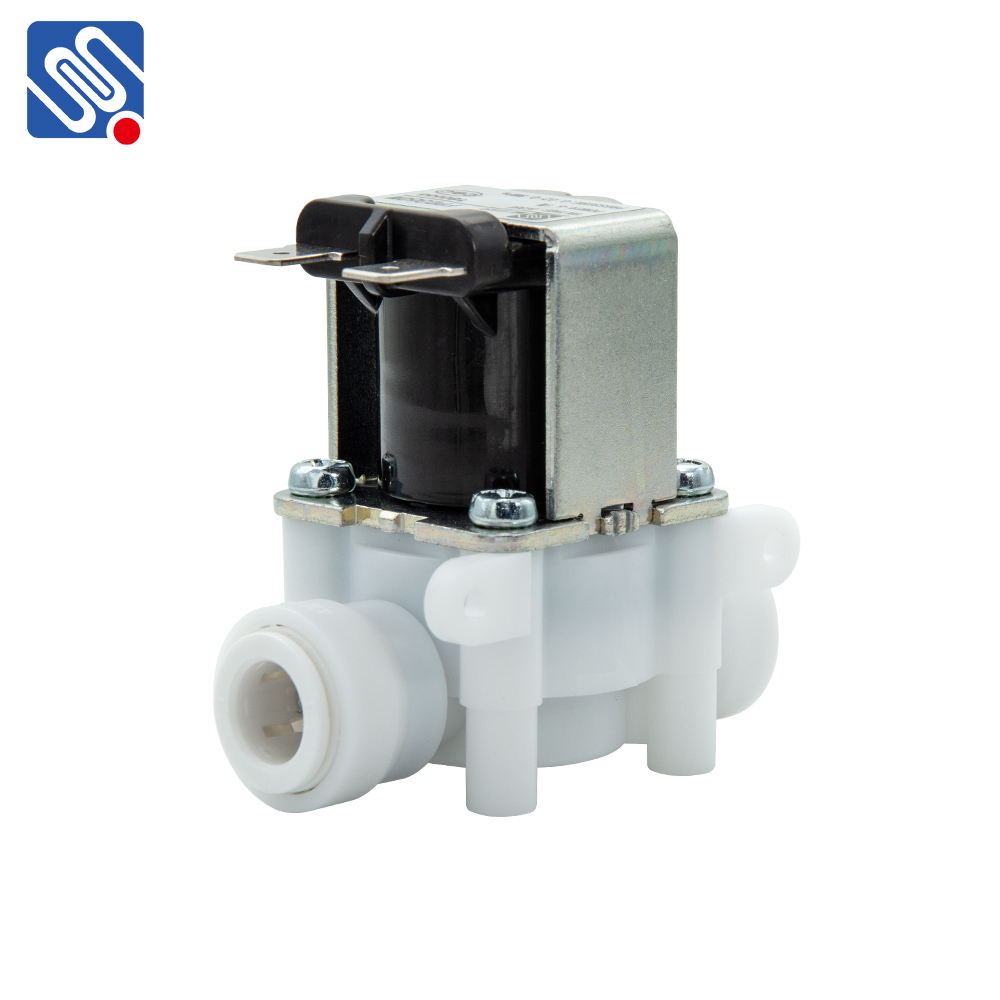
What is a Plastic Solenoid Valve? A plastic solenoid valve is a type of valve that uses an electromagnet to open or close the valve’s mechanism. When an electric current flows through the solenoid coil, it generates a magnetic field that moves the plunger or armature, which either opens or closes the valve depending on its configuration (normally open or normally closed). These valves are primarily used to control the flow of fluids or gases in automated systems. Advantages of Plastic Solenoid Valves 1. Corrosion Resistance One of the key advantages of plastic solenoid valves is their excellent resistance to corrosion. Plastic materials such as PVC, PP, and PVDF are highly resistant to the effects of harsh chemicals and corrosive environments. This makes them ideal for applications where the valve may be exposed to aggressive substances like acids, alkalis, or salts. In industries like chemical processing, water treatment, and pharmaceuticals, plastic solenoid valves provide a durable solution without the risk of corrosion that would typically affect metal valves.